
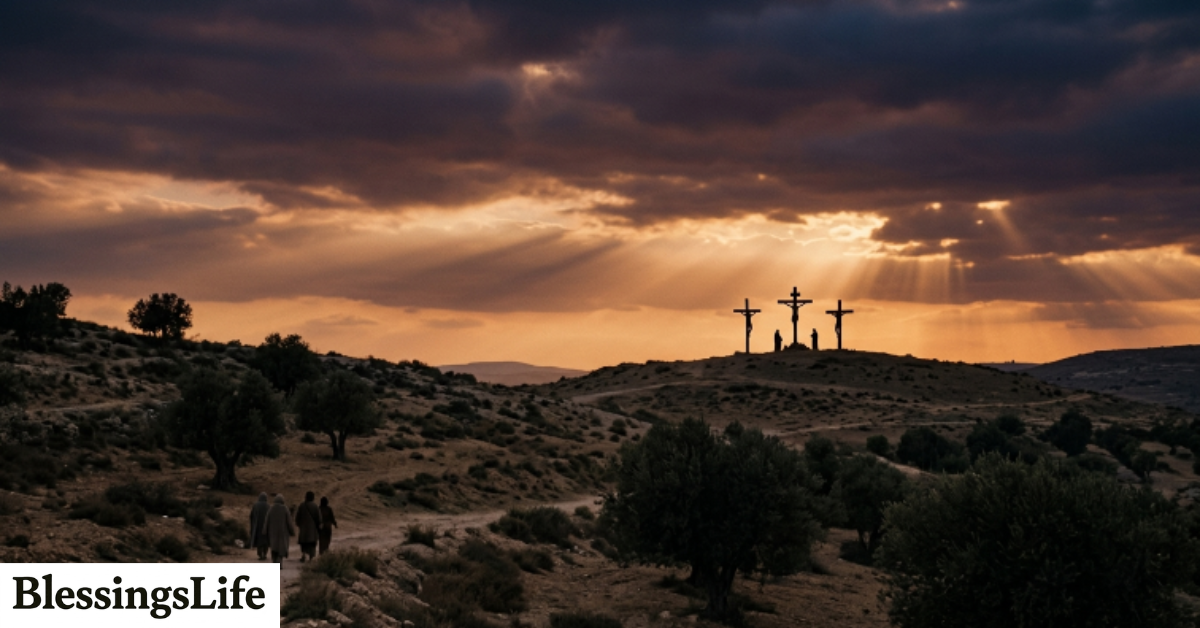
Why These Final Words Still Matter Today
There’s something about someone’s last words that stops us in our tracks. A dying grandparent’s final sentence. A parent’s last piece of advice. We hold onto those words because we know they were the last chance to say what truly mattered.
That’s exactly why Christians around the world return, year after year, to the 7 last words of Jesus in order — the seven statements he made from the cross before he died.
These aren’t just historical quotes. They’re a window into forgiveness, love, doubt, trust, and surrender, spoken in the middle of unimaginable suffering. If you’ve ever wondered what Jesus actually said in his final moments, and what it means for your own life, this is for you.
Let’s walk through them together, one by one.
A Quick Overview: What Are the 7 Last Words of Jesus?
Before we go deep into each phrase, here’s a simple list so you have the full picture.
- “Father, forgive them, for they know not what they do.” (Luke 23:34)
- “Truly I tell you, today you will be with me in paradise.” (Luke 23:43)
- “Woman, behold your son… behold your mother.” (John 19:26-27)
- “My God, my God, why have you forsaken me?” (Matthew 27:46, Mark 15:34)
- “I thirst.” (John 19:28)
- “It is finished.” (John 19:30)
- “Father, into your hands I commit my spirit.” (Luke 23:46)
Each of these came from a different Gospel account, and each carries its own weight. Let’s slow down and sit with them one at a time.
1. “Father, Forgive Them, For They Know Not What They Do”
This was the first thing Jesus said after being nailed to the cross.
Think about that for a second. He’d just been beaten, mocked, and executed unjustly — and his first words weren’t anger. They were forgiveness.
I remember a pastor once telling a story about a woman in his congregation who’d spent years unable to forgive her father for abandoning her family. She said this exact verse was the one that finally broke something loose in her. If Jesus could forgive people actively driving nails into his hands, she said, maybe she could forgive a man who simply wasn’t there.
That’s the power of this first word. It’s not passive. It’s forgiveness offered in real time, in the middle of pain.
2. “Truly I Tell You, Today You Will Be With Me in Paradise”
This one was spoken to a criminal being crucified beside him — a man who, by his own admission, deserved his punishment.
He simply asked to be remembered. And Jesus didn’t hesitate.
No conditions. No probation period. No “prove yourself first.” Just an immediate promise of paradise, given to a dying criminal in his final hour.
For anyone who’s ever felt like they’ve messed up too badly, too many times, too late — this line hits different. It suggests that grace doesn’t run on a scoreboard.
3. “Woman, Behold Your Son… Behold Your Mother”
Even while dying, Jesus looked down and saw his mother, Mary, standing there watching. He also saw John, his disciple, nearby.
So he did something deeply human: he made sure she’d be taken care of. He essentially asked John to look after her like a son would.
It’s easy to skip past this one because it feels less “theological” than the others. But that’s exactly what makes it so moving. In the middle of cosmic suffering, Jesus was still thinking about his mom.
Anyone who has sat at a hospital bedside knows this instinct — even in our worst moments, we worry about the people we love.
4. “My God, My God, Why Have You Forsaken Me?”
This is, without question, the hardest one to read.
It’s a direct quote from Psalm 22, and it captures something raw: the feeling of complete abandonment, even by God himself.
If you’ve ever gone through a season where your prayers felt like they were hitting a wall — where you felt completely alone even while believing — this verse says you’re not the first person to feel that way. Not even Jesus was spared that darkness.
There’s comfort in that, oddly enough. Faith doesn’t mean never feeling forsaken. It means speaking that feeling out loud, even to God.
5. “I Thirst”
Just two words. Almost jarring in how ordinary they sound.
But that’s the point. This wasn’t a symbolic statement — it was physical. Jesus, fully human, was suffering real thirst, real pain, real exhaustion.
Quotes & Reflection Box
“I thirst.” — John 19:28
A reminder that Jesus experienced hunger, pain, and thirst just like we do. His divinity never erased his humanity.
“It is finished.” — John 19:30
Not a cry of defeat, but of completion. The work he came to do was done.
“Father, into your hands I commit my spirit.” — Luke 23:46
The final surrender — spoken not in despair, but in trust.
This short, physical statement is often the one people relate to most, because it reminds us that Jesus wasn’t distant from human suffering. He lived it.
6. “It Is Finished”
This phrase gets misunderstood a lot. It sounds like defeat — like someone giving up.
It wasn’t. In the original Greek, the word used (“tetelestai”) was actually a term used on paid bills, meaning “debt fully paid.” It was a declaration of completion, not collapse.
Whatever Jesus came to accomplish, in his final moments he was saying: it’s done. Not “I’m done for,” but “the mission is complete.”
That distinction matters. There’s a difference between quitting and finishing.
7. “Father, Into Your Hands I Commit My Spirit”
The final words. Spoken with what the Gospel of Luke describes as a loud voice — not a whisper, not a fade-out, but a declaration.
This was Jesus choosing, in his last conscious moment, to surrender himself completely into God’s hands.
For many people, this final line becomes something they hold onto in their own hardest moments — illness, grief, fear of death. If Jesus could face death with trust instead of terror, maybe we can borrow a little of that same peace.
What Ties All Seven Together
Reading the 7 last words of Jesus in order, you start to notice a pattern. They move from forgiveness, to promise, to care for loved ones, to raw honesty about pain, to physical need, to completion, and finally to trust.
It’s almost like a roadmap for how to face suffering with grace instead of bitterness.
You don’t have to be going through a crucifixion to relate to that arc. Most of us, at some point, go through our own version of it — betrayal, physical pain, isolation, doubt, exhaustion, and eventually, hopefully, some kind of peace.
Why People Still Reflect on These Words During Holy Week
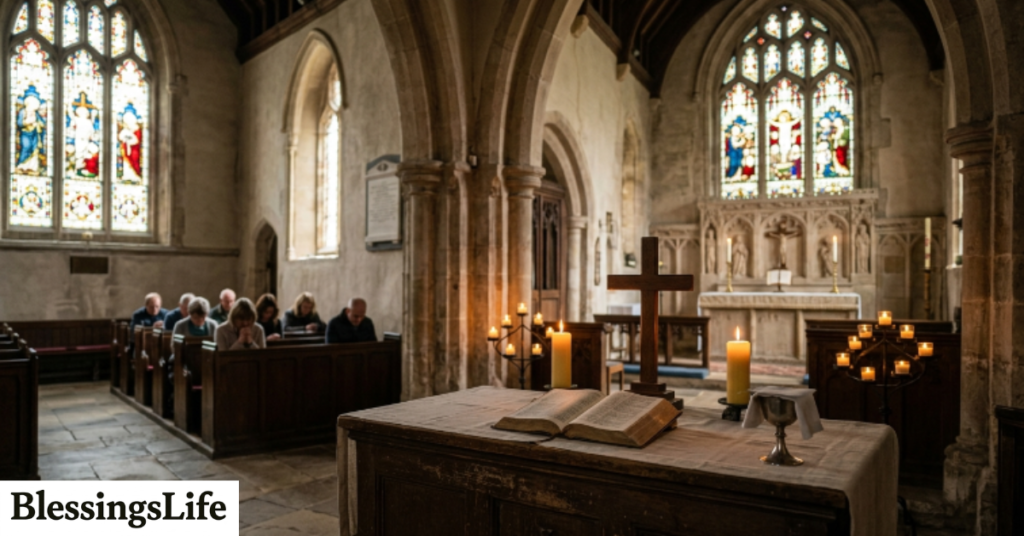
Every year, especially during Good Friday services, churches around the world walk through these seven statements — sometimes called the “Seven Last Words” service or “Tre Ore” (Three Hours) service.
Why does this tradition persist after 2,000 years?
Because these words aren’t abstract theology. They’re deeply personal. They touch on forgiveness, family, doubt, physical suffering, and surrender — things every human being deals with, regardless of faith background.
How You Can Reflect on These Words Personally
If you want to sit with the 7 last words of Jesus in order yourself, here are a few simple ways to do it:
- Read one phrase a day during Holy Week and journal what it stirs in you
- Ask yourself: which of these seven do I relate to most right now?
- Say them slowly out loud — they were meant to be spoken, not just read
- Share one with a friend or family member who might need to hear it
- Use them as a framework for your own prayers during hard seasons
You don’t need a theology degree to be moved by these words. You just need to slow down long enough to actually hear them.
Final Thoughts
There’s a reason these seven statements have survived two millennia of retelling. They capture something universal — pain, love, doubt, and trust, all wrapped into a few short sentences spoken by a dying man who still had room in his heart for forgiveness and for the people he loved.
Whatever you believe, there’s something worth sitting with here.
If this reflection meant something to you, consider sharing it with someone who might need it this week — or come back and read it again next Good Friday. Some words are worth revisiting every year.
FAQs
What are the 7 last words of Jesus in order?
They are: “Father, forgive them,” “Today you will be with me in paradise,” “Woman, behold your son,” “My God, why have you forsaken me,” “I thirst,” “It is finished,” and “Father, into your hands I commit my spirit.”
Why are they called the “7 last words” if some are full sentences?
“Words” refers to the seven separate statements or sayings, not individual words. It’s a traditional title, not a literal word count.
Which Gospels record the 7 last words?
They’re pulled from all four Gospels — Matthew, Mark, Luke, and John — since no single Gospel contains all seven.
What does “It is finished” actually mean?
It’s a declaration of completion, not defeat. The original word implied a debt being fully paid, meaning Jesus’s mission was accomplished.
Why do churches read these on Good Friday?
Many churches hold a “Seven Last Words” or “Three Hours” service on Good Friday to reflect on each phrase and its meaning during Jesus’s final hours.
What is the significance of “My God, why have you forsaken me?”
It reflects genuine human anguish and a quote from Psalm 22, showing that even Jesus experienced feelings of abandonment during suffering.