

My grandmother had it stitched on a small pillow that sat on her living room couch for as long as I can remember. “As for me and my house, we will serve the Lord.” I must have walked past that pillow a thousand times before I ever asked her what it meant. She just smiled and said, “That’s not decoration, honey. That’s a decision.”
That’s the thing about the as for me and my house Bible verse — it’s not just a pretty phrase for a wall sign or a coffee mug. It’s a line drawn in the sand by a tired old leader who wanted his people to know exactly where he stood. And honestly? In a world that keeps pulling our attention in a hundred directions, that kind of clarity is rare.
If you’ve ever wondered where this verse comes from, what it actually means, or how you’re supposed to apply it to your own messy, real-life household, you’re in the right place. Let’s dig into it together.
Where Does the “As For Me and My House” Bible Verse Come From?
The verse comes from Joshua 24:15, and it reads:
“And if it seem evil unto you to serve the LORD, choose you this day whom ye will serve… but as for me and my house, we will serve the LORD.”
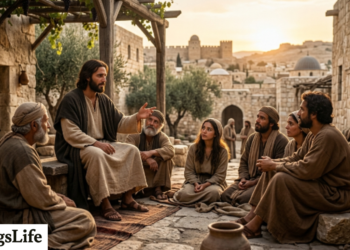
Joshua was an old man by this point. He’d led the Israelites through the wilderness, watched them cross the Jordan River, and fought alongside them for decades. Near the end of his life, he gathered everyone together at Shechem for one final speech.
He wasn’t giving a suggestion. He was giving them a choice — and making his own choice crystal clear.
The Setting Behind the Verse
Picture this: the people had just settled into the Promised Land after generations of wandering. They were surrounded by nations that worshiped all kinds of different gods — idols made of wood and stone, gods tied to rivers and harvests and fortune.
Joshua knew human nature. He knew how easy it is to drift. So he called everyone together and basically said, “Decide today. Don’t just coast into whatever everyone else believes.”
That’s what makes the as for me and my house Bible verse so powerful. It wasn’t spoken in a moment of comfort. It was spoken as a warning wrapped in a promise.
What Does “As For Me and My House” Actually Mean?
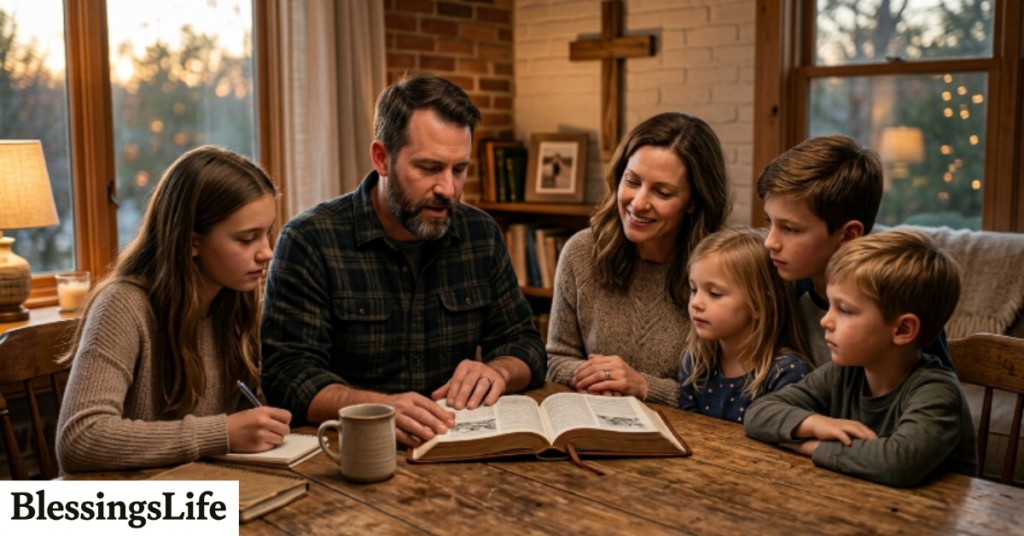
At its core, this verse is about intentional faith. Not inherited faith. Not “well, my parents believed it, so I guess I do too” faith. Real, chosen, stand-on-your-own-two-feet faith.
Joshua wasn’t saying his family would be perfect. He wasn’t promising his kids would never struggle or doubt. He was saying: this house has a direction, and I’m the one setting it.
Think about that for a second. Have you ever walked into a home and just felt something different about it? Maybe it was calm. Maybe there was warmth in the way people talked to each other. That doesn’t happen by accident. Someone decided that’s how the house would run.
It’s a Personal Decision, Not a Group Vote
Notice Joshua didn’t say, “As for us.” He said, “As for me and my house.” He wasn’t waiting for a majority vote among the Israelites to decide his own family’s path.
That’s a huge lesson buried in a short verse. You can’t control what everyone else does. You can’t force your neighbors, your coworkers, or even your extended family to believe what you believe. But you can decide what happens under your own roof.
Why This Verse Still Hits Hard Today
We live in a strange season of history. Information comes at us from every direction — social media, news, opinions from people we’ve never met. It’s noisy out there.
The as for me and my house Bible verse cuts through that noise like a bell in a quiet room.
Here’s why it still resonates:
- It demands a decision. Not someday. Today.
- It puts responsibility on the leader of the home, not on outside circumstances.
- It doesn’t ask others to agree — it simply states a commitment.
- It’s public. Joshua said this in front of everyone. There’s something powerful about naming your values out loud.
I think about the young mom scrolling through parenting advice at 11 p.m., wondering if she’s doing any of this right. Or the dad working two jobs, trying to figure out how to pass down something meaningful to his kids besides just a paycheck. This verse speaks directly to them.
A Verse for the Exhausted, Not Just the Confident
People sometimes assume this verse belongs to people who have it all figured out. Confident. Unshakable. Never doubting.
But Joshua was old and worn out by the time he said these words. He’d seen the people fail, complain, and wander before. He wasn’t naive about how hard faithfulness is.
That’s actually comforting, isn’t it? You don’t need to have a perfect track record to say “as for me and my house.” You just need to decide, again, today.
Quotes and Reflections on Joshua 24:15
Sometimes the best way to sit with a verse is to see how others have carried it. Here’s a small collection of thoughts and reflections inspired by the as for me and my house Bible verse.
“A house doesn’t drift toward faith. It drifts away from it, unless someone decides otherwise.”
“Joshua didn’t ask permission from the crowd. He simply told them where his family stood.”
“You can’t inherit conviction. You have to choose it, and then choose it again tomorrow.”
“The strongest households aren’t the ones without struggle — they’re the ones with someone willing to say ‘this is our direction’ out loud.”
“Faith spoken in front of others carries a weight that private belief never quite matches.”
These aren’t official commentary — just honest reflections that tend to surface when people sit with this verse long enough to let it settle.
How to Live Out “As For Me and My House” in a Real, Imperfect Home
Okay, so the history and meaning are great. But how does this actually play out on a random Tuesday when the kids are fighting over the remote and dinner’s burning on the stove?
Here are a few practical ways families have taken this verse and made it real.
1. Set a Rhythm, Not Just a Rule
Faith that only shows up in a Sunday service tends to fade during the week. Families who take this verse seriously often build small, repeatable rhythms:
- A short prayer before meals
- A verse or reflection shared at breakfast
- A weekly check-in about how everyone’s doing, spiritually and emotionally
None of these need to be elaborate. Consistency matters more than intensity.
2. Talk About It Out Loud
Joshua didn’t whisper his decision. He announced it. Families can do the same by simply talking openly about what they believe and why — not as a lecture, but as an ongoing conversation.
Ask your kids what they think. Ask your spouse how they’re really doing spiritually. Silence lets drift happen. Conversation slows it down.
3. Let Your Home Reflect Your Values
This might mean the way conflict gets handled. The way forgiveness is modeled after an argument. The way guests are welcomed. Faith shows up less in what’s on the wall and more in how people are treated when no one’s performing.
4. Expect Pushback — and Stay the Course Anyway
Not everyone in your household may agree with you at every stage. Kids grow up and ask hard questions. Spouses go through seasons of doubt. That’s normal. Joshua’s declaration wasn’t a guarantee that everyone under his roof would agree instantly — it was a commitment to keep leading toward that direction regardless.
A Short Story: What This Verse Looked Like in One Ordinary Home
A friend of mine, Sarah, told me about the year her husband lost his job. Money was tight, stress was high, and it would have been easy for their home to become a place of anxiety and short tempers.
Instead, she said they made a decision together — inspired by this very verse — to keep their evening prayer time no matter how hard the day had been. Some nights it was two sentences. Some nights it was tears. But it never stopped.
Years later, her kids don’t remember the exact financial numbers from that season. They remember that their parents didn’t let hardship change what the house stood for.
That’s the as for me and my house Bible verse in action. Not perfection. Just persistence.
Common Misunderstandings About This Verse
A few things people often get wrong:
- It’s not about forcing belief on others. Joshua invited the people to choose freely. He simply stated his own household’s choice.
- It’s not a one-time statement. It’s a decision that has to be renewed, especially during hard seasons.
- It’s not only for “religious” families. At its heart, it’s about intentional living — deciding what your home stands for instead of letting outside pressures decide for you.
Bringing It Into Your Own Life
You don’t need a pillow with embroidery to live this verse out (though grandma’s pillow was pretty great). You need a decision, spoken honestly, and repeated often.
So here’s a question worth sitting with: If someone walked into your home today, would they be able to tell what you stand for? Not from a sign on the wall, but from how things actually feel?
That’s really what Joshua was getting at.
Final Thoughts
The as for me and my house Bible verse isn’t a slogan. It’s an invitation to stop drifting and start deciding. Joshua stood in front of an entire nation and said, essentially, “I don’t know what you’ll choose, but I know what we will do.”
That kind of clarity doesn’t happen by accident. It happens because someone, somewhere, decides to lead their home with intention — even when it’s hard, even when it’s imperfect, even when tomorrow isn’t guaranteed.
If this verse means something to you, consider sharing it with someone who might need the reminder today. Sometimes the smallest nudge is exactly what another tired parent, spouse, or friend needs to hear.
FAQs
What is the meaning of “as for me and my house, we will serve the Lord”?
It’s Joshua’s declaration in Joshua 24:15, expressing his personal commitment to serve God regardless of what others around him choose. It emphasizes intentional, household-level faith rather than passive or inherited belief.
Where in the Bible is the “as for me and my house” verse found?
This verse is found in Joshua 24:15, near the end of the Book of Joshua, during Joshua’s farewell speech to the Israelites at Shechem.
Why did Joshua say this verse to the Israelites?
Joshua was concerned the people might drift toward the idols and practices of surrounding nations after settling in the Promised Land. He challenged them to choose their loyalty and declared his own family’s choice publicly.
Is this verse only meant for religious families?
While rooted in a specific faith context, the verse’s deeper message — deciding your household’s values intentionally rather than by default — resonates with anyone wanting a more purposeful home life.
How can I apply “as for me and my house” in my daily life?
Start small: build simple daily or weekly rhythms, talk openly about values with your family, and let your actions during conflict or hardship reflect what you say you believe.
What does this verse teach about leadership in the home?
It teaches that spiritual and moral direction in a household often starts with one person’s clear decision. Joshua didn’t wait for consensus — he led by example and let others choose whether to follow.