
I still remember the night my grandmother sat on her porch swing, tea in hand, and said something I didn’t understand until years later: “Beta, count your blessings before you count your problems.” At the time, I thought it was just something old people say. Life was hard, bills were piling up, and gratitude felt like a luxury I couldn’t afford.
But she was right. When everything feels heavy, when you’re scrolling through a hundred reasons to feel sorry for yourself, the simple act of pausing to count your blessings can quietly shift the ground beneath your feet. Not because your problems disappear, but because your eyes finally open to what was there all along.
This article isn’t going to tell you to “just think positive.” It’s going to walk you through why this habit actually works, how real people use it to survive hard seasons, and how you can start doing it today — even if you don’t feel like it.
Why We Forget to Count Our Blessings in the First Place
Our brains are wired for survival, not gratitude. Psychologists call it the “negativity bias” — the tendency to notice threats, losses, and problems far more easily than good things.
That’s why one rude comment can ruin your whole day, but ten kind ones barely register.
Think about your own life for a second. How often do you replay an argument with a friend, but rarely replay the moment they showed up for you when you needed them most?
It’s not that you’re ungrateful. It’s that your brain is doing exactly what it evolved to do — scanning for danger, not sunshine.
That’s exactly why you have to choose to count your blessings. It doesn’t happen automatically. It’s a decision, made again and again, until it becomes second nature.
What Does It Actually Mean to Count Your Blessings?
At its core, counting your blessings means intentionally noticing and naming the good in your life — big or small — instead of letting it slide by unnoticed.
It’s not about ignoring your struggles. It’s about holding two truths at once:
- Yes, life is hard right now.
- And yes, there are still things worth being thankful for.
A single mother working two jobs can count her blessings — her health, her child’s laughter, a roof over their heads — while still acknowledging that she’s exhausted and scared about next month’s rent. Gratitude and struggle aren’t opposites. They live together all the time.
The Real Story Behind the Phrase “Count Your Blessings”
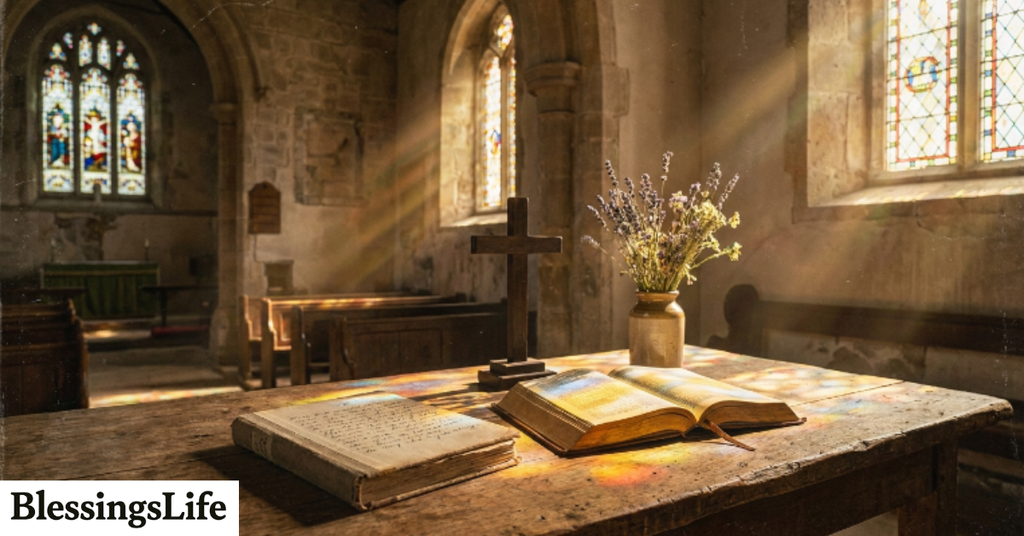
Most of us have heard this phrase since childhood, often from a grandparent, a hymn, or an old family saying. It comes from the idea that blessings, like coins, are meant to be counted one by one — deliberately, not glanced at in passing.
There’s an old hymn called “Count Your Blessings” written in the 1800s by Johnson Oatman Jr., and its message has survived generations for a reason: it works. Every time life gets overwhelming, someone somewhere leans on this same wisdom.
That’s the thing about timeless advice. It doesn’t go out of style because human struggle doesn’t go out of style either.
Why Counting Your Blessings Actually Changes Your Brain
This isn’t just feel-good talk. Researchers have studied gratitude extensively, and the results are honestly kind of stunning.
People who regularly count their blessings tend to experience:
- Lower levels of stress and anxiety — gratitude activates the brain’s reward system, similar to how it responds to acts of kindness.
- Better sleep — a 2011 study found that gratitude journaling before bed improved both sleep quality and duration.
- Stronger relationships — expressing thanks to people around you deepens trust and connection.
- Improved physical health — grateful people report fewer aches, pains, and doctor visits.
- Greater resilience — when hard times hit, people who practice gratitude bounce back faster.
It sounds almost too simple, doesn’t it? But that’s the beauty of it. You don’t need money, time, or perfect circumstances to count your blessings. You just need a willingness to look.
A Story That Changed How I See Gratitude
A friend of mine, Sarah, lost her job during a rough economic year. She told me she spent the first week furious — angry at her company, angry at herself, angry at the world.
Then one night, unable to sleep, she grabbed a notebook and wrote down three things she was grateful for. Just three. Her health. Her husband. Her morning coffee.
The next night, she did it again. And the next.
Within a month, she said something that stuck with me: “I still don’t have a job, but I feel less like I’m drowning.” Counting her blessings didn’t fix her situation overnight. But it gave her enough air to keep swimming.
That’s what this habit does. It doesn’t erase your problems — it gives you strength to face them.
Simple Ways to Start Counting Your Blessings Today
You don’t need a fancy journal or a 5 a.m. routine to start. Here are practical, doable ways to build this habit into your life:
1. The Three-a-Day Rule
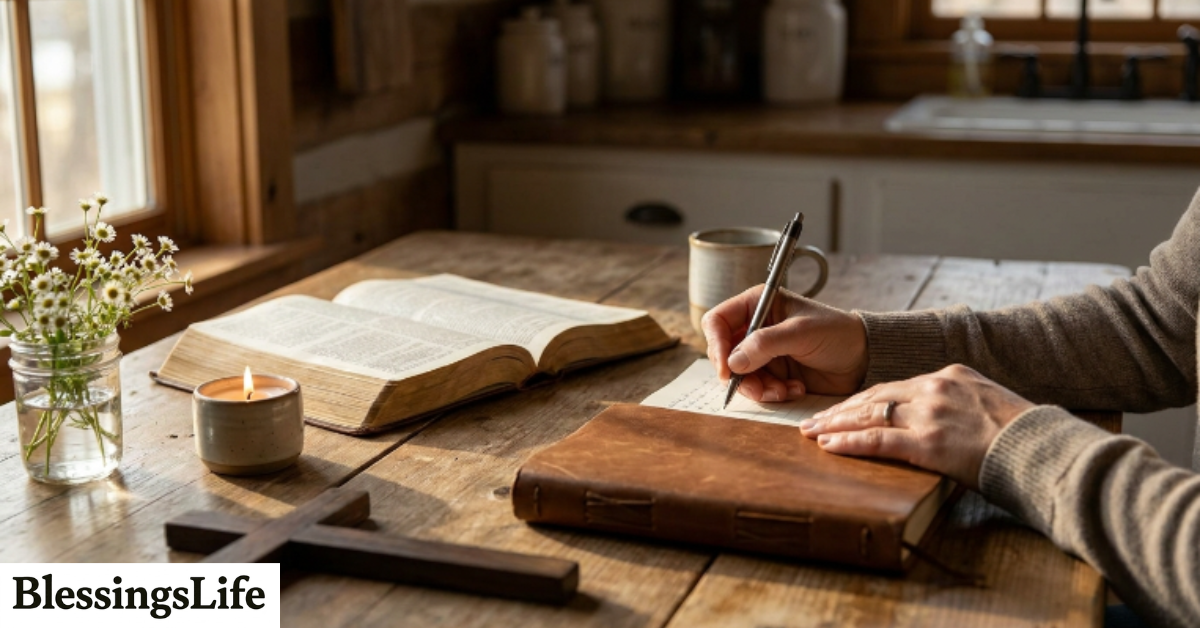
Every night before bed, write down three things you’re grateful for. They can be as small as “my coffee was warm” or as big as “my daughter hugged me today.”
2. Gratitude Walks
Take a ten-minute walk and mentally list things you’re thankful for with each step. Movement plus gratitude is a powerful combo for mental clarity.
3. The Blessing Jar
Keep a jar and small slips of paper nearby. Whenever something good happens, write it down and drop it in. On hard days, pull a few out and read them.
4. Say It Out Loud
Gratitude spoken aloud — to a partner, a child, or even yourself in the mirror — tends to feel more real than gratitude just thought silently.
5. Thank Someone Directly
Send a text, make a call, or write a note to someone who’s made your life better. It reinforces your own sense of blessing while brightening someone else’s day too.
Gratitude Quotes That Remind Us to Count Our Blessings
Sometimes we just need the right words at the right moment. Here are a few worth keeping close:
“Count your blessings, not your problems.” — Unknown
“Gratitude turns what we have into enough.” — Aesop (attributed)
“When you arise in the morning, think of what a privilege it is to be alive.” — Marcus Aurelius
“It is not happy people who are thankful. It is thankful people who are happy.” — Unknown
“Piglet noticed that even though he had a Very Small Heart, it could hold a rather large amount of Gratitude.” — A.A. Milne
Keep one of these somewhere you’ll see it daily — your phone lock screen, a sticky note on your mirror, or the fridge door. Small reminders count for a lot.
What Happens When You Make This a Daily Habit
Here’s what tends to happen when people commit to counting their blessings consistently, not just on good days:
- They start noticing small joys they used to overlook — a good cup of tea, a friend’s text, sunlight through the window.
- They complain less, not because life got easier, but because their focus shifted.
- They become more pleasant to be around, which strengthens relationships.
- They handle setbacks with more patience because they’re not starting from a place of scarcity.
It’s not magic. It’s just practice — the same way exercising a muscle makes it stronger over time.
When It’s Hard to Feel Grateful
Let’s be honest — some days, gratitude feels impossible. Maybe you’ve lost someone you love. Maybe you’re in physical pain, or facing a diagnosis, or just plain exhausted.
On those days, don’t force fake positivity. Instead, try this: name one thing that got you through the day. Just one. It could be as small as “I got out of bed” or “someone smiled at me at the store.”
Counting your blessings during hard times isn’t about pretending everything’s fine. It’s about finding a single thread of light in the dark, and holding onto it until morning.
How Counting Your Blessings Affects the People Around You
Gratitude isn’t just personal — it’s contagious. When you make a habit of noticing the good, the people around you feel it too.
Children raised by grateful parents tend to grow into more empathetic adults. Coworkers around a thankful colleague report higher morale. Even strangers respond differently to someone who radiates appreciation rather than complaint.
So in a strange way, when you count your blessings, you’re not just helping yourself. You’re quietly making the world around you a little softer.
A 7-Day Challenge to Get You Started
If you want to build this habit but don’t know where to begin, try this simple challenge:
- Day 1: Write down one blessing related to your health.
- Day 2: Write down one blessing related to a person in your life.
- Day 3: Write down one blessing related to something you own or use daily.
- Day 4: Write down one blessing from your past that shaped who you are.
- Day 5: Write down one blessing you almost missed noticing.
- Day 6: Thank someone directly for a blessing they’ve been to you.
- Day 7: Reflect on how you feel compared to Day 1.
By the end of the week, most people notice a real shift — not a dramatic one, but a quiet, steady lightness.
Final Thoughts
My grandmother passed a few years ago, but her words on that porch swing still visit me on hard nights. Count your blessings before you count your problems.
It’s not about denying pain. It’s not about pretending you’re fine when you’re not. It’s about training your eyes to see what’s already good, even while you’re still healing from what’s broken.
So tonight, before you close your eyes, try it. Name three blessings. Just three. See how it feels.
And if this article gave you a little peace today, share it with someone who might need the reminder too — sometimes the smallest nudge is exactly what someone’s waiting for.
FAQs
What does it mean to “count your blessings”?
It means intentionally noticing and appreciating the good things in your life, big or small, instead of only focusing on problems or what’s missing.
Why is it hard to count your blessings during tough times?
Our brains are naturally wired to focus on threats and problems (negativity bias), so gratitude takes conscious effort, especially during stress or grief.
How do I start a gratitude practice if I don’t know where to begin?
Start small — write down three things you’re grateful for each night, even tiny ones like a warm meal or a kind text message. Consistency matters more than size.
Does counting your blessings actually improve mental health?
Yes. Studies link regular gratitude practice to lower anxiety, better sleep, improved mood, and stronger relationships over time.
What’s a simple daily habit to practice gratitude?
Try the “three-a-day” method: each night, jot down three specific things you were thankful for that day, even during hard weeks.
Can you count your blessings even when life is really hard?
Yes. It’s not about ignoring pain — it’s about finding one small thread of light, like getting through the day, even in the middle of struggle.