


There’s a particular kind of tired that sleep doesn’t fix. You know the one — where your mind keeps replaying the same worry on a loop, and no amount of scrolling or distraction makes it stop. That’s usually when people start searching for prayers for peace, not because they’re especially religious, but because they’re out of other options and need something to hold onto.
I’ve been there. Late nights, staring at the ceiling, whispering half-formed sentences that weren’t quite prayers and weren’t quite giving up either. And somehow, saying the words out loud — even shaky, even uncertain — helped more than staying silent ever did.
This article isn’t going to hand you a magic formula. But it will give you real, heartfelt prayers for peace, the stories behind why they matter, and a few gentle ways to actually use them when life feels like too much.
Why We Reach for Prayers for Peace in the First Place
Think about the last time you felt truly at peace. Not just “fine” — actually calm, unclenched, breathing easy.
For a lot of us, that feeling is rare. We’re juggling jobs, relationships, health scares, family drama, and a news cycle that never lets up. Peace isn’t the default state anymore. It’s something we have to reach for.
That’s exactly why prayers for peace have existed in nearly every culture and faith tradition for thousands of years. They’re not a modern trend. They’re a very old, very human response to a very old, very human problem: the mind’s refusal to sit still when the heart is hurting.
A friend of mine, Amara, told me once that she started praying for peace not because she found faith in a church, but because she found it in a hospital waiting room. Her father was in surgery, and she had nothing left to do with her hands or her thoughts except pray. “It wasn’t fancy,” she said. “I just kept saying, please let there be peace in this room, whatever happens.” That’s really all a prayer for peace has to be — honest, and repeated until it sinks in.
What Makes a Prayer About Peace Different From Any Other Prayer
Not all prayers ask for the same thing. Some ask for provision, some for healing, some for guidance. Prayers for peace are asking for something quieter — a settling, not a solution.
They tend to share a few things in common:
- They acknowledge the chaos instead of pretending it isn’t there
- They ask for calm in the middle of the storm, not necessarily removal of the storm
- They often invite a sense of surrender — handing over what we can’t control
- They focus on the present moment rather than fixing the whole future at once
That distinction matters. When you pray for peace, you’re not always asking God (or the universe, or whatever you believe in) to fix everything today. You’re asking for the strength to breathe through today.
Short Prayers for Peace You Can Say Anytime
Sometimes you don’t need a paragraph. You need one sentence you can whisper on a train, in a parking lot, or in the middle of a hard conversation.
Here are a few short prayers for peace that people actually use, borrowed and adapted from different traditions and everyday voices:
- “Grant me the calm to face what I cannot change.”
- “Let peace settle over this moment, even if nothing else changes.”
- “Quiet my mind. Steady my heart. Help me trust the next step.”
- “In this noise, give me one still place to stand.”
- “Peace be with me, and peace be with the ones I love.”
None of these are complicated. That’s the point. A prayer for peace doesn’t need poetry to work — it needs honesty.
Longer Prayers for Peace for Deeper Moments
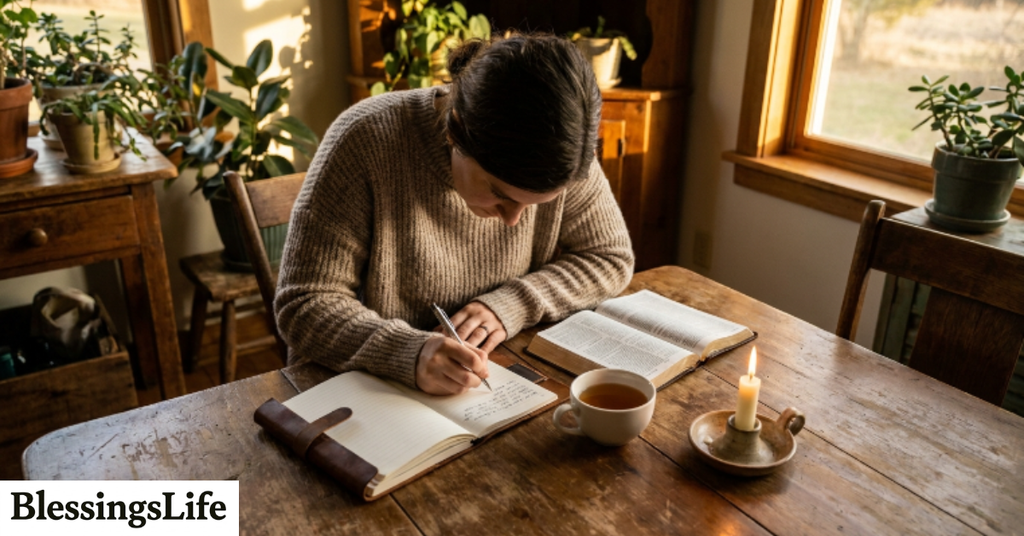
Some nights call for more than a single line. When grief, fear, or heavy decisions are involved, a longer prayer can give your mind something fuller to hold onto.
Here’s one you might try, out loud or in your head:
“I come to You tired, carrying more than I meant to carry alone. I don’t need every answer tonight. I just need peace — enough to close my eyes, enough to trust that tomorrow is being taken care of. Still my racing thoughts. Loosen the grip fear has on my chest. Let me remember that I am not the only one holding this. Give me peace that doesn’t depend on my circumstances changing, but on knowing I am not alone in them.”
Notice what that prayer does — it doesn’t demand the problem disappear. It asks for peace to exist alongside the problem. That’s a subtle but important shift, and it’s one of the reasons prayers for peace tend to bring real comfort instead of empty hope.
Prayers for Peace in the Middle of Conflict
Peace isn’t only an inner, personal thing. Sometimes we’re praying for peace between people — a fractured friendship, a tense family dinner, a marriage going through a rough season.
A woman I know, Delphine, told me about praying for peace every single day during a two-year rift with her sister. “I didn’t pray for her to change,” she said. “I prayed for peace between us, however that was going to happen.” Eventually, it did — not dramatically, just a slow thaw that neither of them could have forced.
If you’re navigating a strained relationship, here’s a prayer worth trying:
“Soften what has hardened between us. I don’t ask for the past to be erased, only for peace to find a way in. Help me let go of the need to be right, and help both of us find the humility to begin again. Where there is silence, let there eventually be understanding.”
Praying for peace in relationships takes patience. It rarely works like a switch. But it changes something in you first, and that’s usually where the real shift begins.
Prayers for Peace During Anxiety and Overwhelm
Anxiety has a way of convincing you that stillness is dangerous — that if you stop worrying for even a second, something bad will slip through. Prayers for peace can gently interrupt that pattern.
Try this one during a spike of anxiety:
“Right now, in this moment, I choose to breathe. I hand over the spinning thoughts I can’t control. Give me peace for just this next minute, and then the one after that. I don’t have to solve everything today.”
A short list of ways people use prayers for peace during anxious moments:
- Saying the prayer slowly, one phrase per breath
- Writing it down and keeping it in a wallet or phone notes app
- Repeating a single line as a kind of anchor throughout the day
- Pairing it with a physical action, like placing a hand on the chest
There’s no wrong way to do this. The goal isn’t performance — it’s relief.
Prayers for Peace in Times of Grief or Loss
Grief has its own gravity. It pulls everything else out of focus. In those seasons, prayers for peace often become less about words and more about presence.
Here’s a gentle one for grieving hearts:
“I don’t understand this loss, and I may never fully make peace with it. But I ask for enough peace to get through today. Hold what I cannot hold right now. Let love remain, even where presence has gone.”
People often say grief prayers feel less like asking and more like leaning. You’re not trying to convince anyone of anything — you’re just leaning into something bigger than the pain, hoping it holds your weight.
A Quotes and Examples Box: Words That Have Comforted Others
Sometimes it helps to see how others have put peace into words. Here’s a small collection worth sitting with:
“Peace is not the absence of trouble, but the presence of God in the midst of it.” — Common devotional saying
“Let there be peace on earth, and let it begin with me.” — Traditional hymn lyric
“Blessed are the peacemakers, for they shall be called children of God.” — Widely referenced scripture theme
“Do not let your hearts be troubled; let peace be with you.” — Paraphrased from common faith teachings
“Peace begins with a smile.” — Attributed to Mother Teresa in popular quotation
These aren’t meant to be memorized like homework. Read them the way you’d read a note from a friend — slowly, and only take what actually speaks to you today.
How to Make Prayers for Peace Part of Your Daily Routine
A prayer said once during a crisis is powerful. A prayer said daily, even in calm moments, builds something sturdier — a kind of resilience you can lean on before the storm even arrives.
A few simple ways to build this habit:
- Say a short prayer for peace first thing in the morning, before checking your phone
- Keep one written down somewhere you’ll actually see it — a mirror, a notebook, a lock screen
- Use a prayer for peace as a way to end arguments before they escalate
- Say one quietly before difficult conversations, not just after them
- Teach a simple version to children, so peace becomes familiar to them early
None of this needs to feel like a chore. Think of it less like a rule and more like a check-in with yourself.
What If You’re Not Sure You Believe?
Here’s something worth saying honestly: you don’t have to have it all figured out theologically to say a prayer for peace. Doubt and prayer aren’t actually opposites.
Plenty of people who’d call themselves unsure, or somewhere in between, still find themselves whispering these words during hard moments. There’s no gatekeeper checking your credentials before peace is allowed to show up. If the words help you breathe easier, that’s reason enough to keep saying them.
Bringing It All Together
Peace rarely arrives all at once, like a switch flipped in the dark. More often, it comes in small doses — a slower breath here, a quieter mind there, one honest prayer at a time.
If today has been heavy, maybe this is your reminder to pause and say one of these prayers for peace out loud, even quietly, even if your voice shakes a little. You don’t need the perfect words. You just need to start.
And if this brought you even a little comfort, consider sharing it with someone who might need it today too — sometimes the smallest nudge is exactly what someone else has been waiting for.
FAQs
1. What is a simple prayer for peace I can say every day? A simple one is: “Quiet my mind, steady my heart, and let peace walk with me today.” Saying it each morning helps set a calmer tone before the day gets busy.
2. Are prayers for peace only religious, or can anyone use them? Anyone can use them. While many come from faith traditions, the core intention — asking for calm and steadiness — resonates with people regardless of belief.
3. Can prayers for peace help with anxiety? Yes, many people use short prayers for peace as a grounding tool during anxious moments. Repeating a calming phrase slowly can help slow racing thoughts and ease physical tension.
4. What’s a good prayer for peace between family members? Try: “Soften what has hardened between us, and help peace find its way back in.” It focuses on healing rather than blame, which tends to open the door to reconciliation.
5. How often should I say a prayer for peace? There’s no set rule. Some people say one daily as a habit, others reach for it only during hard moments. Both approaches are valid — consistency simply builds familiarity and comfort.
6. Do prayers for peace actually work? Many people report feeling calmer, more grounded, and less alone after praying for peace, even without circumstances changing. The value often lies in the shift it creates within you.