

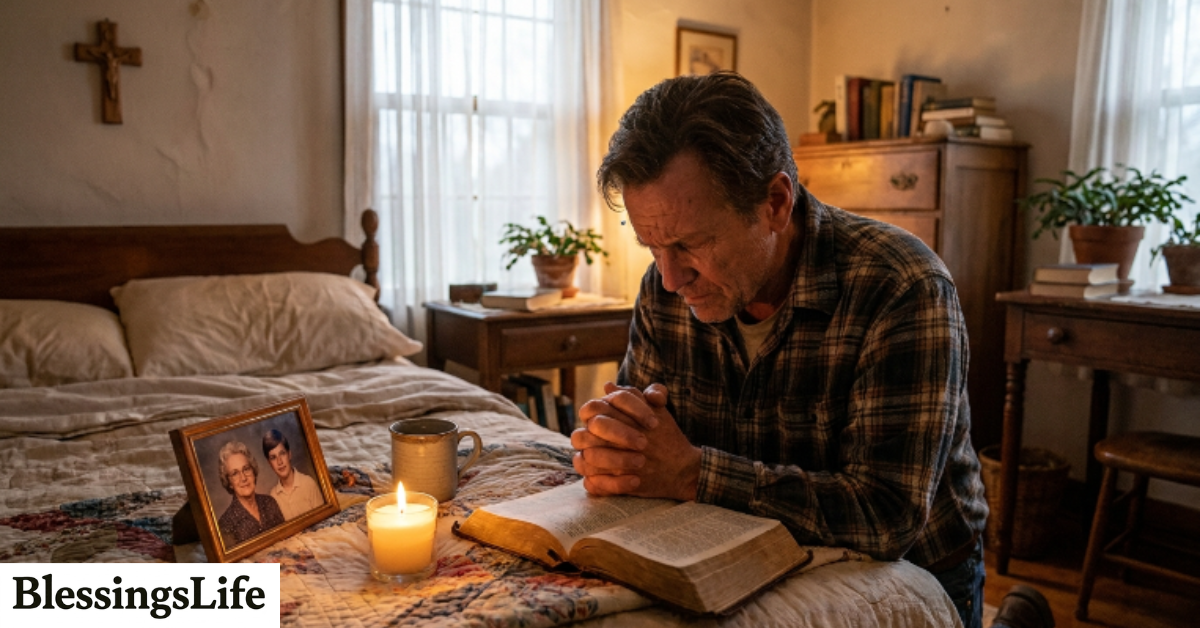
I still remember the night my neighbor knocked on my door at 11 p.m., her hands shaking, asking if I would pray for her son who had just been rushed to the hospital. I didn’t have answers. I didn’t have medicine. All I had was prayer — and in that moment, that was enough. That’s the heart of intercessory prayer: standing in the gap for someone else when they can’t stand for themselves.
If you’ve ever prayed for a sick friend, a struggling marriage, or a stranger you saw crying on the bus, you’ve already practiced intercessory prayer without even naming it. It’s one of the oldest, most selfless forms of prayer there is, and it might be exactly what your faith life is missing right now.
In this article, we’re going to unpack what intercessory prayer actually means, why it matters so deeply, how to do it (even if you feel awkward or unsure), and how it can quietly reshape not just the life of the person you’re praying for — but your own heart too.
What Is Intercessory Prayer, Really?
At its simplest, intercessory prayer is praying on behalf of someone else. Not for yourself. Not for your own needs. For someone else’s healing, protection, peace, or breakthrough.
Think of it like this — if regular prayer is a conversation with God about your own life, intercessory prayer is showing up as a witness in someone else’s courtroom, asking for mercy on their behalf.
The word “intercede” literally means to go between. An intercessor is someone who steps into the gap between a person’s need and God’s provision, and simply… asks.
It sounds simple. But it’s one of the most powerful spiritual acts a person can do.
A Quick Look at Its Roots
Intercessory prayer isn’t a modern trend. It’s ancient.
- In the Bible, Abraham pleads with God on behalf of Sodom, trying to save the city for the sake of a few righteous people.
- Moses intercedes for the Israelites again and again, even when they didn’t deserve it.
- In Islamic tradition, dua for others is considered one of the most beloved forms of worship, with many scholars teaching that praying for someone in their absence brings blessings back to the one who prays.
- Across nearly every major faith tradition, there’s a version of this same idea: praying for others isn’t optional extra credit. It’s central.
That’s not a coincidence. Something about praying for other people taps into a universal, deeply human instinct — the desire to help, even when we’re powerless to fix things ourselves.
Why Intercessory Prayer Feels Different From Other Prayer

Here’s something most people don’t talk about enough: praying for yourself and praying for someone else feel completely different.
When you pray for yourself, there’s often an undercurrent of anxiety. Will this happen? Am I doing enough? Do I deserve this?
But when you pray for someone else, something shifts. The focus moves off your own fears. You’re no longer the center of the prayer — they are.
I’ve noticed this myself. During a season when I was overwhelmed with my own worries, a friend asked me to pray for her father’s surgery. For those few minutes, I forgot my own stress completely. My heart softened. My focus widened. That’s the strange gift of intercessory prayer — it heals the person praying just as much as the person being prayed for.
The Emotional Ripple Effect
Intercessory prayer creates a kind of ripple effect:
- It builds empathy. You start noticing other people’s pain instead of just your own.
- It reduces isolation. Praying for someone connects you to them, even if they never know it.
- It reframes your own problems. Suddenly, your issues feel a little smaller next to someone else’s crisis.
- It strengthens community. Prayer groups and prayer chains exist because people crave this shared spiritual support.
This is why so many churches, mosques, and spiritual communities build entire ministries around intercessory prayer. It’s not just about “requesting help from God” — it’s about weaving people together in care.
How to Practice Intercessory Prayer (Even If You Feel Awkward)
A lot of people avoid intercessory prayer simply because they don’t know how to start. They worry their words won’t be “good enough” or “spiritual enough.”
Here’s the truth: there is no perfect script. God — or whatever higher power you believe in — isn’t grading your grammar.
Still, if you want a gentle structure to lean on, try this:
Step 1: Name the Person and the Need Specifically
Instead of a vague “please bless everyone,” try naming the actual person and situation.
“I’m praying for Sarah, that her chemotherapy treatment next week would go smoothly and that she wouldn’t be afraid.”
Specific prayers feel more real — both to you and, many believers say, to God.
Step 2: Picture Them, Not Just Their Problem
Don’t just pray for “the divorce” or “the diagnosis.” Picture the actual person’s face. Their laugh. Their fear. Praying for a real human being, not just a category of suffering, makes the moment more tender and less transactional.
Step 3: Pray With Your Own Words
Skip the formal language if it doesn’t feel natural to you. Something like:
“I don’t fully understand what she’s going through, but I know You do. Please be close to her today.”
That’s it. That’s enough.
Step 4: Follow Up
This is the step most people skip. If you told someone “I’ll pray for you,” actually check in later. Even a simple text — “Hey, I prayed for you this morning, how are you holding up?” — turns intercessory prayer into real, lived compassion instead of just a phrase we say to be polite.
Quotes & Examples Box: Voices on Intercessory Prayer
Sometimes short reminders say what long paragraphs can’t. Here are a few thoughts and examples that capture the spirit of praying for others:
“Prayer is not overcoming God’s reluctance, but laying hold of His willingness.” — often attributed to various faith teachers, used widely in intercessory prayer teaching
“The one who prays for their brother or sister in their absence will hear an angel say: ‘And for you the same.'” — a well-known teaching in Islamic tradition on dua for others
A mother prays every night for a son she hasn’t spoken to in three years — not asking for him to call her, just asking for his peace of mind.
A hospital chaplain spends her entire shift going room to room, asking each patient, “Is there anything I can pray for you about?” Most say yes.
A small group of coworkers keeps a shared notes app just to list names of people going through hard seasons — cancer, layoffs, divorce — and they pray through the list every Friday morning.
These aren’t grand, dramatic moments. They’re quiet, ordinary acts. And that’s exactly the point — intercessory prayer usually looks small on the outside while doing something enormous on the inside.
Common Situations Where People Turn to Intercessory Prayer
You might already be practicing this more than you realize. Some of the most common moments people lean into intercessory prayer include:
- Illness or surgery — praying for a loved one’s healing or a surgeon’s steady hands
- Grief — praying for someone who just lost a parent, spouse, or child
- Financial hardship — asking for provision on behalf of a struggling family
- Broken relationships — praying for reconciliation between people who are estranged
- New parents — praying for strength during sleepless newborn nights
- Strangers — praying for someone you saw on the news, or a person you’ll never meet
Notice something? None of these require you to have the “right words” or theological training. They just require noticing someone else’s pain and caring enough to bring it somewhere bigger than yourself.
Does Intercessory Prayer Actually “Work”?
This is the question people are often afraid to ask out loud.
Here’s an honest answer: intercessory prayer isn’t a vending machine. You don’t insert a prayer and get a guaranteed outcome. Life doesn’t work that way, and most mature believers will tell you the same thing.
But here’s what tends to be true, even among skeptics:
- People who are prayed for often report feeling more supported and less alone — even when they don’t know exactly who is praying.
- The person doing the praying often experiences reduced anxiety and increased compassion.
- Communities that practice intercessory prayer regularly tend to report stronger bonds and a greater sense of shared purpose.
Whether or not you can “prove” intercessory prayer scientifically, its emotional and relational effects are hard to deny. It changes how we show up for each other.
When It Feels Like Your Prayers Aren’t Being Answered
Let’s be honest for a second.
Sometimes you pray for someone’s healing, and they don’t get better. Sometimes you pray for a marriage to be saved, and it still ends. This is one of the hardest, most painful parts of intercessory prayer — and pretending otherwise would be dishonest.
If you’re in that place right now, please hear this: an unanswered prayer, in the way you hoped, doesn’t mean your prayer didn’t matter. It doesn’t mean you failed the person you were praying for.
Many people who’ve walked through this kind of heartbreak say the prayer itself — the act of showing up, caring, and refusing to look away from someone’s pain — was its own form of love, even when the outcome wasn’t what they wanted.
You are allowed to grieve. You are allowed to be angry. And you are still allowed to keep praying.
Building an Intercessory Prayer Habit
If this resonates with you, here are a few gentle ways to build intercessory prayer into your regular life:
- Keep a simple prayer list. A notes app, a journal, even sticky notes on your mirror.
- Set a small daily window. Even five minutes before bed is enough.
- Pray for one stranger a day. Someone you pass, someone in the news, someone whose story moved you.
- Join or start a prayer group. Shared intercession multiplies its emotional weight.
- Don’t wait to feel “ready.” Most people who intercede regularly say they started while still feeling unsure of themselves.
None of this needs to be perfect. It just needs to be sincere.
Final Thoughts
Maybe you came to this article because someone you love is hurting right now, and you don’t know what else to do for them. If that’s you — start here. Say their name. Picture their face. And ask, in whatever words feel honest to you, for them to be okay.
Intercessory prayer won’t fix everything. But it will remind you, and them, that no one has to carry their pain completely alone.
If this article gave you comfort or a place to start, consider sharing it with someone who might need it today — or leave a comment below about who you’re praying for. Sometimes just saying it out loud is the first step.
FAQs
What is the difference between intercessory prayer and regular prayer?
Regular prayer often focuses on your own needs, thoughts, or gratitude. Intercessory prayer specifically means praying on behalf of someone else — for their healing, protection, or peace, rather than your own.
Who can pray an intercessory prayer?
Anyone can. You don’t need special training, ordination, or perfect words. Sincerity and care for the person you’re praying for matter far more than formality.
Is intercessory prayer mentioned in the Bible?
Yes, extensively. Figures like Abraham, Moses, and Paul are shown interceding on behalf of others, and many Christian traditions view intercession as a core part of spiritual life and community.
How do I start praying for someone if I don’t know what to say?
Start simply: say their name, picture their situation, and ask for peace, strength, or healing in your own words. There’s no required script — honesty matters more than eloquence.
Can intercessory prayer help even if the person doesn’t know I’m praying for them?
Many people believe so, and it’s a common practice across faiths to pray for someone privately. Even if they never find out, the act itself still carries meaning and often brings comfort to the one praying.
What if I pray for someone and things don’t get better?
This is one of the hardest parts of faith. An outcome not matching your hope doesn’t mean the prayer was wasted — many believers see the act of caring and showing up in prayer as meaningful in itself, separate from the final result.