
There’s a particular kind of tired that prayer alone seems to touch. Not the tired that sleep fixes, but the soul-deep kind — when you’re waiting on an answer, wrestling with a decision, or just feeling far from God. That’s usually when people stumble onto the EWTN novena to the Holy Spirit, often after a late-night search or a friend’s quiet recommendation.
I remember the first time someone told me about it. She was going through a job change she didn’t ask for, scared and unsure, and she said, “I just need nine days where I stop trying to control everything.” That’s really what this novena offers — nine days of stepping back and letting the Holy Spirit lead.
If you’ve never prayed it before, or you’re returning to it after years away, this guide walks you through everything: what it is, why EWTN’s version resonates with so many people, how to pray it, and what to expect along the way.
What Is the EWTN Novena to the Holy Spirit?
The novena to the Holy Spirit is one of the oldest prayer traditions in the Catholic Church. It’s rooted in Scripture — the apostles gathered in the Upper Room for nine days after Jesus’s Ascension, praying together while they waited for the Holy Spirit to descend at Pentecost.
EWTN, the global Catholic media network, has made this novena widely accessible through its website, prayer app, and broadcasts. The EWTN novena to the Holy Spirit follows that same nine-day structure, usually paired with reflections on the seven gifts of the Holy Spirit: wisdom, understanding, counsel, fortitude, knowledge, piety, and fear of the Lord.
What makes EWTN’s version stand out isn’t a different prayer exactly — it’s the accessibility. You can pray it:
- On the EWTN website, with daily text
- Through the EWTN app, with audio guidance
- Alongside EWTN’s television and radio programming
For people who don’t have a parish nearby, or who simply want structure in their prayer life, that consistency matters more than people realize.
Why People Turn to This Novena
Here’s something I’ve noticed: nobody prays this novena “just because.” There’s almost always a reason underneath it.
Maybe it’s a decision that won’t stop looping in your head. Maybe it’s a relationship that needs healing, or a fear you can’t quite name. The Holy Spirit novena tends to attract people in transition — new jobs, new diagnoses, new seasons of faith.
A man named Daniel once shared his story in a parish newsletter. He’d been away from the Church for over a decade. His sister mailed him a printed copy of the EWTN novena to the Holy Spirit with a sticky note that just said, “Try it. No pressure.” He did. By day six, he said, something in him softened — not dramatically, just enough to walk back into a church for the first time in years.
That’s the quiet power of this prayer. It doesn’t demand certainty. It just asks for nine days of showing up.
The Structure of the Novena: What to Expect Each Day
If you’re new to novenas in general, here’s the basic rhythm.
Daily Format
Each day typically includes:
- An opening prayer invoking the Holy Spirit
- A short Scripture reading
- A reflection on one of the seven gifts
- A closing prayer, often the traditional “Come, Holy Spirit” prayer
It’s not long. Most days take ten to fifteen minutes, which makes it manageable even for people with packed schedules.
The Nine Days, Simplified
- Days 1–2: Opening your heart, asking for openness to the Spirit’s presence
- Days 3–5: Reflecting on wisdom, understanding, and counsel — the gifts tied to clarity and decision-making
- Days 6–7: Fortitude and knowledge — strength to endure and discernment to see truth
- Days 8–9: Piety and fear of the Lord — reverence, humility, and closeness to God
By the end, many people describe a sense of settledness. Not always answers. Just peace.
How to Pray the EWTN Novena to the Holy Spirit at Home
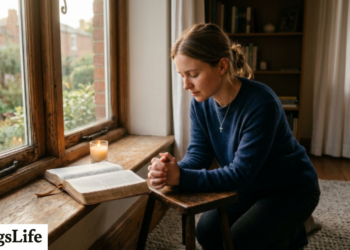
You don’t need a church, a group, or perfect conditions. Some of the most meaningful novenas happen at kitchen tables at 6 a.m. or in parked cars during lunch breaks.
A few gentle suggestions:
- Pick a consistent time. Morning coffee, before bed, during a commute — consistency matters more than the “perfect” hour.
- Use the EWTN app or website so you’re not hunting for the text each day.
- Keep a small notebook. Jot down one line a day — a feeling, a verse that struck you, a worry you handed over.
- Don’t skip a day out of guilt. If you miss one, just pick back up. God isn’t keeping score.
One woman told me she prayed the entire novena in her car during school pickup lines. Nine days, nine engines idling, nine quiet conversations with God nobody else could see. That’s the beauty of it — it fits into real life.
Quotes and Reflections on the Holy Spirit
Sometimes a single line stays with you longer than a whole prayer. Here are a few that people often return to during this novena:
“Come, Holy Spirit, fill the hearts of your faithful and kindle in them the fire of your love.” — Traditional Catholic prayer
“The Holy Spirit gives us eyes to see how much God loves us.” — attributed reflection often shared in EWTN devotionals
“Do not be afraid to be saints… men and women of the Holy Spirit.” — Pope Francis, on living boldly in faith
“Send forth your Spirit, and they shall be created, and you shall renew the face of the earth.” — from the Pentecost sequence
These aren’t just pretty words. For many people praying the EWTN novena to the Holy Spirit, one line like this becomes the thing they whisper on hard days long after the nine days are over.
Real Stories: What This Novena Has Meant to People
Faith isn’t abstract — it lives in real moments. A few examples people have shared over the years:
- A mother praying for patience with a teenager who’d stopped talking to her. By day nine, she said the anger in her chest had turned into something closer to compassion.
- A college student, anxious about a major life decision, who described the novena as “the first time in months I felt like I wasn’t carrying it alone.”
- A widower who prayed it every Pentecost season in memory of his late wife, saying it kept her faith — and his — alive.
None of these stories involve fireworks or dramatic miracles. They involve small shifts. And honestly, that’s usually how the Holy Spirit works — quietly, patiently, in the ordinary parts of life.
Common Mistakes to Avoid
A few gentle reminders, especially for first-timers:
- Don’t treat it like a checklist. The goal isn’t to “finish” nine days — it’s to actually pray them.
- Don’t expect instant clarity. Sometimes the peace comes after the novena ends, not during it.
- Don’t isolate yourself. Praying it with a spouse, friend, or family member — even from a distance — often deepens the experience.
When Should You Pray This Novena?
Traditionally, this novena is prayed in the nine days between Ascension Thursday and Pentecost Sunday — following the exact timeline the apostles experienced. EWTN highlights this period heavily on its programming and website each year.
That said, plenty of people pray it anytime they need the Holy Spirit’s guidance: before confirmation, during a discernment period, in grief, or simply as a yearly spiritual reset. There’s no wrong season for asking God for wisdom and strength.
Bringing the Novena Into Everyday Life
Here’s the thing about the EWTN novena to the Holy Spirit — it’s not meant to stay inside those nine days. Many people carry pieces of it forward:
- Keeping the “Come, Holy Spirit” prayer as a daily habit
- Returning to one gift (like fortitude or wisdom) whenever they need it most
- Praying it again every Pentecost as a yearly tradition
It becomes less like a one-time prayer and more like a rhythm you return to, year after year, season after season.
Final Thoughts
Maybe you’re reading this because you’re in a season that feels uncertain. Maybe you just want to deepen your prayer life. Either way, nine days isn’t a lot to ask.
The EWTN novena to the Holy Spirit won’t necessarily hand you all the answers. But it might hand you something better — a little more peace, a little more clarity, and the quiet reminder that you’re not walking through this alone.
If this novena has ever meant something to you, consider sharing it with someone who might need it this week. Sometimes the most meaningful thing you can do is pass along nine days of prayer to a person who didn’t know they needed it.
FAQs
What is the EWTN novena to the Holy Spirit?
It’s a traditional nine-day Catholic prayer, based on the apostles’ wait for Pentecost, made accessible through EWTN’s website, app, and broadcasts, focusing on the seven gifts of the Holy Spirit.
When is the best time to pray this novena?
Traditionally, it’s prayed between Ascension Thursday and Pentecost Sunday, but it can be prayed anytime you need guidance, peace, or strength.
How long does the novena take each day?
Most days take about 10–15 minutes, including a short Scripture reading, a reflection, and a closing prayer.
Can I pray the novena alone, or does it need to be in a group?
You can absolutely pray it alone. Many people find it just as powerful praying quietly at home as they would in a group setting.
What if I miss a day during the novena?
Simply continue the next day. The intention and consistency matter more than perfect attendance.
Where can I find the EWTN novena to the Holy Spirit prayers?
You can access the full nine-day prayers through EWTN’s official website or their prayer app, both of which offer daily text and audio guidance.