
There’s a moment in the Bible so bold, so unexpected, that the people standing there picked up stones to throw at the man who said it.
Six words. That’s all it took.
“Before Abraham was, I am.”
If you’ve stumbled across this phrase in your own reading, or heard it quoted in a sermon and thought, wait, what does that even mean? — you’re not alone. It’s one of those verses that sounds simple on the surface and turns out to be one of the most theologically loaded statements in the entire New Testament.
In this article, we’re going to slow down and actually sit with these words. Where they came from, why they caused a near-riot, what they tell us about who Jesus claimed to be, and why — thousands of years later — people are still stopping in their tracks when they read them.
Grab a coffee. Let’s dig in.
What Does “Before Abraham Was, I Am” Actually Mean?
Let’s start with the basics, because context changes everything here.
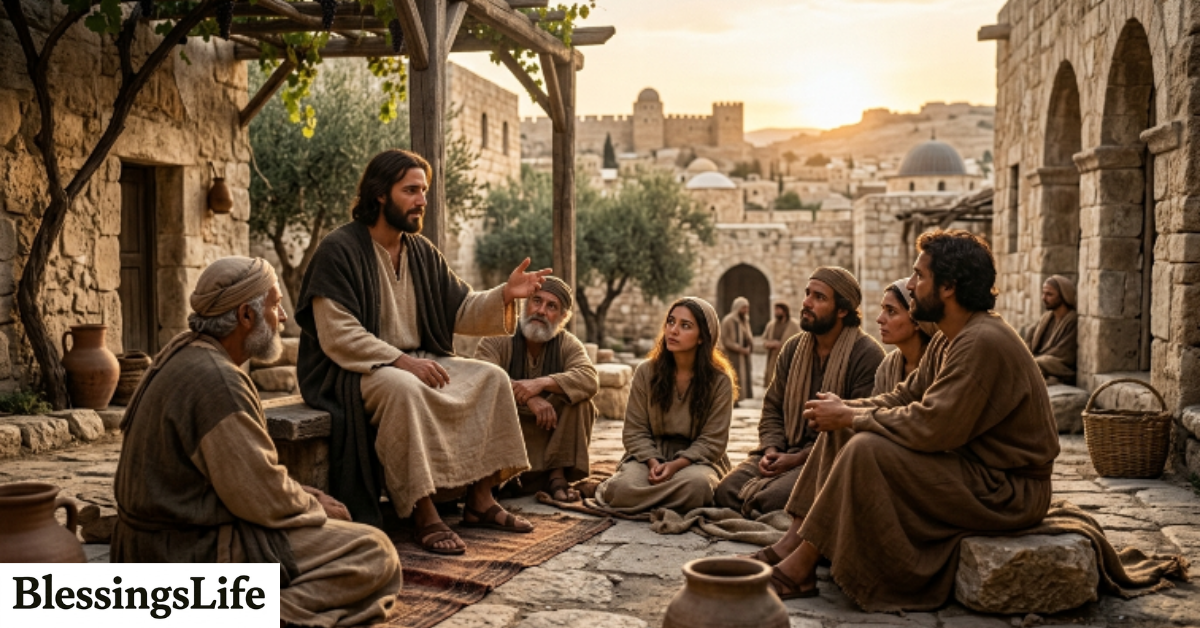
This line comes from John 8:58, tucked into a heated conversation between Jesus and a group of religious leaders in Jerusalem. They’d been going back and forth for a while — about freedom, about truth, about who their real father was, spiritually speaking.
Then Jesus drops this line, seemingly out of nowhere:
“Before Abraham was born, I am.”
On the surface, it looks like bad grammar. Shouldn’t it say “I was”? Abraham lived and died roughly two thousand years before Jesus walked the earth. So logically, you’d expect the past tense.
But that’s exactly the point. Jesus wasn’t making a grammar mistake. He was making a claim about eternity.
The Context of John 8:58
To really get why this line landed like a bomb, you have to understand what led up to it.
The religious leaders Jesus was speaking with were proud of their lineage. Being a descendant of Abraham meant something huge in their culture — it was identity, heritage, and spiritual credibility all rolled into one.
Jesus, in the middle of this tense exchange, tells them that Abraham rejoiced to see his day. Naturally, they scoff. “You’re not even fifty years old,” they say. “How could you have seen Abraham?”
And that’s when he says it.
Not “I existed before Abraham.” Not “I was around before Abraham.” But “before Abraham was, I am” — present tense, timeless, unshakable.
Who Said It and Why It Shocked Everyone
Here’s where it gets intense. Right after Jesus says this, the text tells us the crowd picked up stones to kill him.
Why such a violent reaction to six words?
Because those listening understood exactly what he was doing. He wasn’t just claiming to be old. He was reaching back to a name — a very specific, very sacred name — that no one dared to claim for themselves.
The Connection to Exodus 3:14 and the Divine Name

If you want to understand “before Abraham was I am,” you have to go back even further — all the way to a burning bush in the middle of a desert.
In Exodus 3:14, Moses asks God who he should say sent him when he goes to free the Israelites from slavery in Egypt. God’s answer is short and strange:
“I am who I am. Tell them I am has sent you.”
This wasn’t a throwaway phrase. In Hebrew tradition, this name — often rendered as YHWH — was considered so sacred that many wouldn’t even say it out loud. It represented God’s eternal, self-existent nature. Not created. Not dependent on anything. Simply, eternally, being.
So when Jesus stood in front of a crowd of devout Jewish leaders and said “before Abraham was, I am,” he wasn’t just being poetic. He was directly echoing that divine name.
He was saying, in essence: I am the one who spoke to Moses. I am the eternal I AM.
That’s not a small claim. That’s the biggest claim a person could possibly make.
It’s also exactly why the crowd reacted the way they did. In their eyes, this wasn’t inspiring — it was blasphemy. A man standing in front of them, claiming equality with God.
Quotes & Reflections Box: What People Have Said About This Verse
Sometimes the weight of a verse comes through best in how others have wrestled with it over the years. Here are a few reflections worth sitting with:
- On its boldness: Many theologians describe John 8:58 as one of the clearest self-declarations of divinity found anywhere in the Gospels — not implied, but stated outright.
- On its timing: Bible scholars often point out that Jesus didn’t say “I was” — a deliberate grammatical choice meant to signal timelessness, not just longevity.
- On its cost: It’s worth remembering this declaration didn’t win Jesus applause. It nearly got him killed on the spot, and later became part of the very charges used against him.
- A common personal reflection: Believers often say that when they first truly understood “before Abraham was I am,” it changed how they saw Jesus — not just as a good teacher, but as someone claiming to stand outside of time itself.
There’s something humbling about that. A statement six words long, and it still stops readers in their tracks two thousand years later.
Why This Verse Still Matters Today
Okay, so it’s a fascinating piece of ancient history. But why should it matter to you, scrolling through this on your phone in 2026?
Because at its core, this verse asks a question every generation eventually has to answer for itself: who do you believe Jesus actually was?
Let’s make this practical.
A Relatable Way to Think About It
Imagine meeting someone at a family gathering who casually says, “Oh, I knew your great-great-great-grandfather personally.” You’d laugh it off — impossible, obviously.
But then imagine they said it with complete calm, complete certainty, no joke in their voice. You’d either think they were unwell, or you’d have to seriously reconsider who you were talking to.
That’s roughly the position the crowd in John 8 found themselves in. Except Jesus wasn’t claiming to have simply met Abraham. He was claiming to have existed before him, eternally, without beginning.
It’s the kind of statement that doesn’t leave much room for middle ground. Either it’s an outrageous lie, a delusion — or it’s true, and everything changes.
Real-Life Reflection
Think about the moments in your own life when something someone said completely reframed how you saw them.
Maybe it was a parent admitting a hard truth. Maybe it was a friend revealing something about their past that explained everything about who they’d become.
Words like “before Abraham was I am” work the same way, just on a cosmic scale. They ask you to reconsider everything you thought you knew about the person saying them.
Common Misunderstandings About “Before Abraham Was I Am”
Because this phrase carries so much theological weight, it’s easy for it to get misread or oversimplified. Let’s clear up a few common mix-ups.
- “It’s just poor grammar.” Not at all — the tense shift is intentional. It’s meant to highlight timeless existence, not confusion.
- “It just means Jesus is really old.” Age isn’t really the point. The claim is about eternal, uncreated existence — not simply having lived a long time.
- “It’s unrelated to the Exodus story.” Actually, the connection to Exodus 3:14 is considered central by most scholars — it’s the whole reason the crowd reacted so strongly.
- “Only religious scholars care about this verse.” In reality, this is one of the most quoted, most discussed, and most searched verses among everyday readers trying to understand who Jesus claimed to be.
How to Reflect on This Truth in Your Own Life
You don’t need a theology degree to sit with this verse honestly. Here are a few simple ways people engage with it:
- Read the full passage (John 8:48-59) instead of just the one line, so you get the whole emotional arc of the conversation.
- Ask the question directly: if this claim is true, what does that mean for how you see Jesus?
- Journal your reaction. Sometimes writing out your honest, unfiltered response to a verse like this reveals more than reading ten commentaries would.
- Talk it through with someone else. Verses like “before Abraham was I am” tend to spark real conversation — the kind that goes deeper than small talk.
There’s no rush here. Some truths take time to settle.
Final Thoughts
Six words. A crowd reaching for stones. A claim that echoes all the way back to a burning bush in the desert.
“Before Abraham was, I am” isn’t just an old sentence tucked into an old book. It’s a direct, unmistakable claim — one that forced people two thousand years ago to make a decision, and still does the same for readers today.
Maybe you came here just curious about the phrase. Maybe you’re wrestling with something deeper. Either way, it’s worth sitting with these words a little longer than you planned to.
If this dug something up in you — a question, a memory, a moment of “wait, I never thought about it that way” — that’s worth sharing. Talk about it with a friend, leave a comment with your own take, or go read the surrounding chapters for yourself. Sometimes the best way to understand a verse like this is simply to keep asking questions.
FAQs
What does “before Abraham was, I am” mean?
It’s Jesus’s statement in John 8:58 claiming eternal existence before Abraham was even born. The present-tense “I am” echoes God’s self-description in Exodus 3:14, making it a direct claim to divinity.
Where in the Bible is “before Abraham was I am” found?
This phrase appears in John 8:58, during a conversation between Jesus and Jewish religious leaders in the temple in Jerusalem.
Why did the crowd want to stone Jesus after he said this?
The crowd understood Jesus was directly referencing God’s sacred name from Exodus 3:14. To them, this sounded like blasphemy — a human claiming equality with God — which under their law was punishable by stoning.
Is “I am” in John 8:58 connected to Exodus 3:14?
Yes, most scholars agree the connection is intentional. In Exodus, God tells Moses his name is “I Am Who I Am.” Jesus using the same phrase was a deliberate claim to that same eternal identity.
Why does Jesus say “I am” instead of “I was” in this verse?
The tense shift isn’t a mistake — it’s the whole point. “I was” would suggest a beginning in time. “I am” points to timeless, uncreated existence, which is why the phrase carries so much theological weight.
What is the significance of “before Abraham was I am” for readers today?
It pushes readers to seriously consider who Jesus claimed to be — not just a wise teacher, but someone declaring eternal, divine existence. It’s often cited as one of the clearest self-declarations of divinity in the Gospels.