

I still remember the night my mother sat at our kitchen table, hands folded, reading the same verse over and over. She’d underlined it in three different colors. That verse was Mark 11:24. She was praying for my brother, who was sick, and she kept whispering, “Therefore I tell you, whatever you ask in prayer, believe that you have received it, and it will be yours.”
That night changed how I understood prayer forever.
If you’ve stumbled onto this page, chances are you’re searching for the same thing so many of us have searched for at 2 a.m. — an answer, a reason to hope, or maybe just an explanation of what Mark 11:24 actually means. You’re not alone. This verse is one of the most quoted, most debated, and most misunderstood passages in the entire Bible.
So let’s unpack it together — not as a theology lecture, but as a real conversation about faith, doubt, and what Jesus was actually trying to teach us.
What Does Mark 11:24 Actually Say?
Here’s the verse in its most common English Standard Version wording:
“Therefore I tell you, whatever you ask in prayer, believe that you have received it, and it will be yours.” — Mark 11:24
Simple, right? On the surface, yes. But this single sentence has fueled entire movements, sermons, books, and — let’s be honest — a lot of confusion.
Some people read Mark 11:24 as a spiritual blank check. Others read it as a call to radical, childlike trust. The truth, as usual, sits somewhere in the middle, wrapped in context most people skip right over.
The Story Behind Mark 11:24
To really understand Mark 11:24, you have to back up a few verses.
Jesus and His disciples are walking, and Jesus curses a fig tree that has no fruit on it. The next day, the disciples notice the tree has completely withered — roots and all. Peter, stunned, points it out. Jesus’s response leads straight into Mark 11:24.
This wasn’t a random teaching moment. It was Jesus using a visible, physical miracle to teach an invisible, spiritual truth: faith moves things that logic says can’t be moved.
That’s the heartbeat of Mark 11:24. It’s not about magic words. It’s about a heart posture.
Breaking Down Mark 11:24, Phrase by Phrase
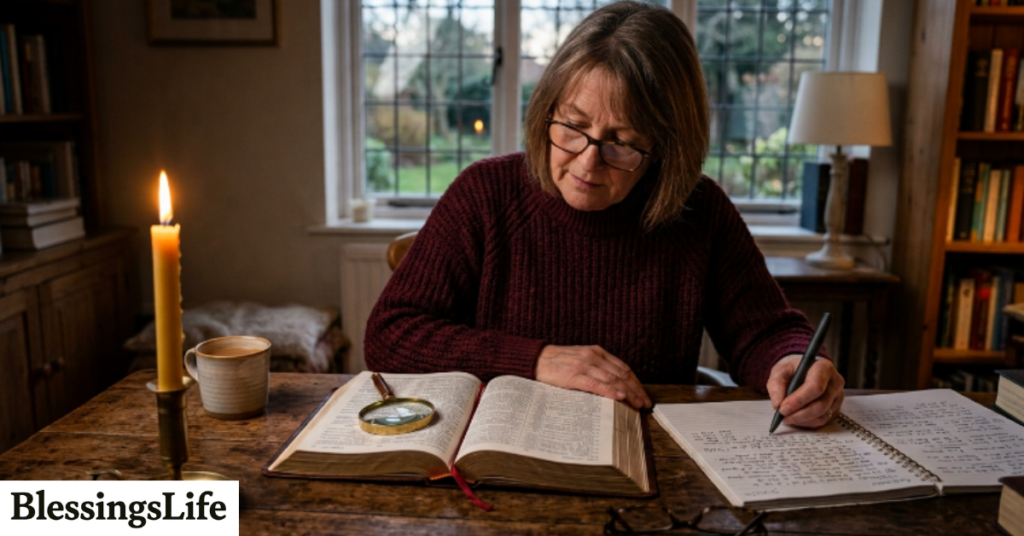
Let’s slow down and look at the actual language, because every word here carries weight.
“Whatever you ask in prayer”
This isn’t limited to grand, world-changing requests. Mark 11:24 opens the door to anything — healing, provision, direction, peace, restoration. But it’s framed inside prayer, meaning it’s a conversation with God, not a wish made into the void.
“Believe that you have received it”
This is the phrase that trips people up the most. It sounds almost backwards — believe you already have it, before you see it? That’s exactly the point. Mark 11:24 is describing a present-tense faith, not a “maybe someday” hope.
“And it will be yours”
This isn’t a guarantee that every prayer gets answered exactly how we imagine. It’s a promise rooted in trust — that God hears, God moves, and outcomes are shaped by both His will and our faith.
Why Mark 11:24 Feels So Hard to Live Out
Let’s be real for a second. If Mark 11:24 were easy, we wouldn’t still be talking about it two thousand years later.
Here’s why so many people struggle with it:
- We confuse belief with certainty. Belief isn’t the absence of doubt — it’s choosing to trust despite it.
- We measure faith by outcomes. If the prayer isn’t answered the way we wanted, we assume we didn’t believe “hard enough.”
- We forget prayer is relational, not transactional. Mark 11:24 isn’t a formula. It’s an invitation into deeper trust.
I’ve met people who whispered this verse over hospital beds. I’ve met people who quoted it while job-hunting, house-hunting, even relationship-healing. Some saw immediate answers. Others waited years. Faith, it turns out, isn’t a vending machine — it’s a relationship.
Real-Life Examples: Mark 11:24 in Action
The Single Mom Who Prayed for Rent Money
A woman named Teresa, a single mom of two, once shared her story online. She was three days from eviction. She read Mark 11:24, sat on her bedroom floor, and prayed — not begging, but declaring, almost like she already had the answer. Two days later, an anonymous envelope with exactly the amount she needed showed up at her church mailbox.
Coincidence? Maybe. But Teresa doesn’t think so. And honestly, neither do a lot of people who’ve lived through similar moments.
The Father Praying for His Son’s Addiction
Not every story wraps up in two days, though. A father I know prayed Mark 11:24 daily for almost four years over his son’s addiction. The breakthrough didn’t happen overnight. But he says the verse kept him from giving up — it gave him language for hope when he had none of his own.
This is important: Mark 11:24 doesn’t promise a timeline. It promises a posture.
Quotes & Reflections Box: Mark 11:24 in Perspective
“Prayer is not asking. It is a longing of the soul.” — Mahatma Gandhi (often quoted alongside Mark 11:24 in devotionals)
“Faith is taking the first step even when you don’t see the whole staircase.” — Martin Luther King Jr.
“Whatever you ask in prayer, believe that you have received it, and it will be yours.” — Mark 11:24, ESV
“Prayer does not change God, but it changes him who prays.” — Søren Kierkegaard
These voices, across centuries and backgrounds, circle the same truth Mark 11:24 points to — belief shapes the way we walk through uncertainty.
How to Apply Mark 11:24 in Everyday Life
You don’t need a theology degree to live this verse out. Here’s a simple, practical approach:
- Get specific in prayer. Vague prayers get vague peace. Mark 11:24 invites clarity.
- Speak your faith out loud. There’s power in vocalizing belief, not just thinking it.
- Release the outcome. Trust doesn’t mean controlling the “how” — it means surrendering it.
- Keep showing up. Faith is often built in repetition, not a single dramatic moment.
- Watch for movement, not just miracles. Sometimes the answer is a shifted heart before it’s a shifted circumstance.
Mark 11:24 isn’t a magic spell. It’s a muscle. And like any muscle, it strengthens with use.
Common Misunderstandings About Mark 11:24
It’s worth pausing here, because misapplying Mark 11:24 has hurt people. Some have been told that unanswered prayers mean they simply didn’t “believe enough” — which can be spiritually damaging and, frankly, untrue to the heart of Scripture.
Mark 11:24 must be read alongside other passages, like 1 John 5:14, which reminds us that prayer aligned with God’s will carries confidence. Faith isn’t about forcing outcomes. It’s about trusting the One we’re praying to.
Why This Verse Still Matters Today
We live in a world obsessed with instant results — instant coffee, instant messages, instant everything. Mark 11:24 asks us to slow down and trust a process we can’t always see.
Isn’t that kind of countercultural? In a world that says “prove it first, then I’ll believe,” Mark 11:24 flips the order entirely: believe first, and watch what unfolds.
That’s not weakness. That’s radical trust.
Bringing It All Together
Mark 11:24 isn’t a promise that life will go exactly how we plan. It’s a promise that we’re not walking through uncertainty alone — that prayer matters, that belief matters, and that God is listening even when the silence feels loud.
Maybe you’re praying for healing right now. Maybe it’s a relationship, a job, a wandering child, or peace of mind. Whatever it is, Mark 11:24 gently reminds us: bring it to God, believe, and let go of the rest.
If this verse spoke to you the way it’s spoken to millions before you, share it with someone who needs it today. Sometimes the right words at the right moment change everything — just like they did for my mother, sitting at that kitchen table, believing before she could see.
FAQs
What is the meaning of Mark 11:24?
Mark 11:24 teaches that prayer should be paired with genuine belief — trusting God for the outcome before it’s visibly seen, rather than praying with doubt or hesitation.
What is the context of Mark 11:24?
The verse follows Jesus cursing a fig tree, which withers overnight. He uses this miracle to teach His disciples about the power of faith-filled prayer.
Does Mark 11:24 mean God answers every prayer exactly as asked?
Not exactly. It emphasizes faith and trust in prayer, but Scripture elsewhere (like 1 John 5:14) clarifies that prayer should align with God’s will.
How do you pray according to Mark 11:24?
Pray specifically, speak your faith out loud, trust God with the outcome, and continue believing even before you see visible results.
Why is Mark 11:24 considered controversial?
Some teach it as an unconditional guarantee, which can lead to guilt when prayers aren’t answered as expected. Proper context prevents this misunderstanding.
What other Bible verses relate to Mark 11:24?
Matthew 21:22, John 14:13-14, and 1 John 5:14 all echo similar themes of faith-filled, aligned prayer.