
I still remember the first time the Beatitudes actually made sense to me.
It wasn’t in a church pew. It was on a hospital bench, at 2 a.m., waiting for news about my father. Someone had left a small card on the table beside me. It read, “Blessed are those who mourn, for they will be comforted.” I’d heard those words a hundred times before. That night, they landed differently.
That’s the strange power of the Beatitudes. They were spoken over two thousand years ago, yet they meet you exactly where you are — tired, grieving, hopeful, or just trying to make sense of a hard week.
If you’ve ever wondered what the Beatitudes actually mean, why Jesus taught them this way, or how they apply to your everyday life, you’re in the right place. Let’s walk through them together — not as a theology lecture, but as words meant to be lived.
What Are the Beatitudes, Exactly?
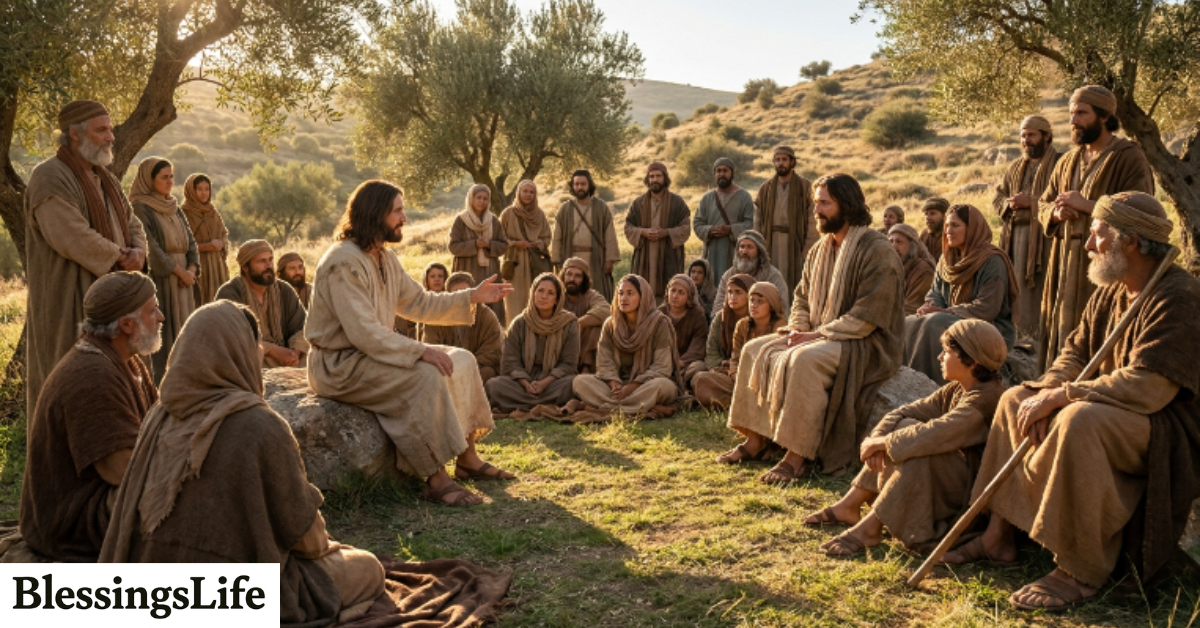
The Beatitudes are the opening lines of the Sermon on the Mount, found in Matthew 5:3-12. Jesus climbed a hillside, sat down, and began teaching a crowd that likely included farmers, fishermen, mothers, and the sick.
He didn’t open with rules. He opened with blessings.
Each line follows the same gentle rhythm: “Blessed are the ___, for they will ___.” Eight statements. Eight promises. Together, they form a kind of upside-down map of what it means to live well — not by chasing power or comfort, but by embracing humility, mercy, and love.
The word “beatitude” comes from the Latin beatitudo, meaning happiness or blessedness. But this isn’t the shallow happiness of a good day. It’s something deeper — a settled, quiet joy that doesn’t depend on your circumstances.
Why Did Jesus Teach This Way?
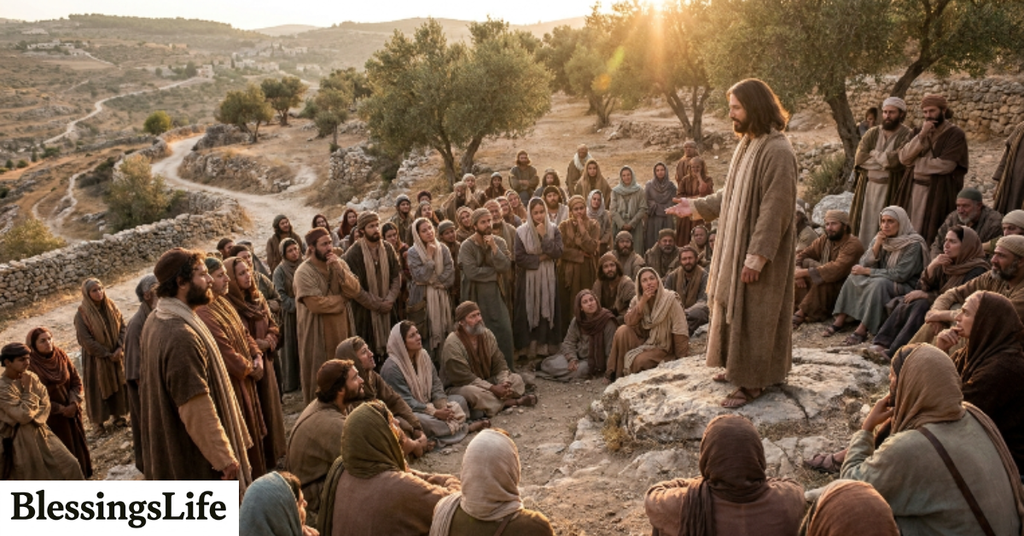
Picture the scene for a second. Rome ruled the land. Taxes were crushing. Many in that crowd had buried loved ones, lost land, or lived under constant fear.
And Jesus didn’t tell them to fight harder or climb higher.
He told them they were already blessed — in their poverty, in their grief, in their hunger for justice. That message would have felt radical then. Honestly, it still does now.
The Beatitudes weren’t a to-do list. They were a reframing of what actually matters. Jesus was essentially saying: the world’s scoreboard is wrong, and here’s what real blessing looks like.
The 8 Beatitudes, One by One
Let’s slow down and look at each one. Not just the verse, but what it might mean for someone living an ordinary, complicated life — someone like you or me.
1. Blessed Are the Poor in Spirit
“Blessed are the poor in spirit, for theirs is the kingdom of heaven.” (Matthew 5:3)
This isn’t about bank accounts. It’s about recognizing you can’t do life alone.
Think of someone you know who never admits they need help — always fine, always in control. Exhausting, isn’t it? Jesus blesses the opposite posture: the person humble enough to say, “I don’t have this figured out.”
There’s freedom in that admission. It’s the starting point of grace.
2. Blessed Are Those Who Mourn
“Blessed are those who mourn, for they will be comforted.” (Matthew 5:4)
Grief isn’t weakness. It’s love with nowhere to go.
I think of a friend who lost her mother young. For months, people told her to “stay strong.” What she actually needed was permission to fall apart. This Beatitude gives her that permission — and a promise that comfort is coming, even when it doesn’t feel close.
3. Blessed Are the Meek
“Blessed are the meek, for they will inherit the earth.” (Matthew 5:5)
Meekness gets mistaken for weakness all the time. It’s actually strength under control — like a powerful horse that chooses to be gentle with its rider.
Meek people don’t need to win every argument. They don’t need the last word. And somehow, that quiet strength outlasts the loud kind.
4. Blessed Are Those Who Hunger and Thirst for Righteousness
“Blessed are those who hunger and thirst for righteousness, for they will be filled.” (Matthew 5:6)
Ever wanted something so badly it felt physical? That’s the picture here.
This Beatitude is for the person who genuinely aches to see fairness, justice, and goodness in the world — and refuses to grow numb to injustice just because it’s easier.
5. Blessed Are the Merciful
“Blessed are the merciful, for they will be shown mercy.” (Matthew 5:7)
Mercy is what you give when you have every right to withhold it.
A mother forgiving a child who broke something precious. A friend letting go of a harsh word said in anger. Mercy doesn’t ignore the wrong — it chooses grace anyway. And Jesus promises it comes back around.
6. Blessed Are the Pure in Heart
“Blessed are the pure in heart, for they will see God.” (Matthew 5:8)
This is about integrity — being the same person in private as you are in public.
Not perfection. Just honesty. A heart without hidden agendas, without a mask for every room you walk into.
7. Blessed Are the Peacemakers
“Blessed are the peacemakers, for they will be called children of God.” (Matthew 5:9)
Notice it says peacemakers, not peace-keepers. There’s a difference.
Peacekeepers avoid conflict. Peacemakers step into it — the tense family dinner, the broken friendship — and do the hard, humble work of healing it.
8. Blessed Are the Persecuted
“Blessed are those who are persecuted because of righteousness, for theirs is the kingdom of heaven.” (Matthew 5:10)
This one is hard to sit with. But history is full of people who paid a real price for standing up for what’s right — and this Beatitude tells them their sacrifice isn’t wasted.
A Closer Look: The Beatitudes in Their Own Words
Sometimes it helps to just sit with the verses themselves, without commentary.
“Blessed are the poor in spirit, for theirs is the kingdom of heaven.”
“Blessed are those who mourn, for they will be comforted.”
“Blessed are the meek, for they will inherit the earth.”
“Blessed are those who hunger and thirst for righteousness, for they will be filled.”
“Blessed are the merciful, for they will be shown mercy.”
“Blessed are the pure in heart, for they will see God.”
“Blessed are the peacemakers, for they will be called children of God.”
“Blessed are those who are persecuted because of righteousness, for theirs is the kingdom of heaven.”
— Matthew 5:3-10
Read them slowly. Notice how each one takes something the world sees as a disadvantage — poverty, grief, gentleness, hunger — and turns it into a doorway to blessing.
Why the Beatitudes Still Matter Today
You might be thinking: this is beautiful, but does it actually help with real life — bills, deadlines, broken relationships?
I’d argue it helps more than most self-help advice out there. Here’s why.
- They shift your definition of success. Instead of measuring your worth by achievement, the Beatitudes measure it by character.
- They validate hard emotions. Grief, hunger for justice, feeling low — none of that is treated as a problem to fix. It’s treated as sacred ground.
- They offer a different kind of ambition. Not “climb higher,” but “grow gentler, more honest, more merciful.”
- They build resilience. When your peace doesn’t depend on circumstances, hard seasons don’t shatter you the same way.
A lot of people come to the Beatitudes during a difficult chapter — a diagnosis, a divorce, a loss. That’s not a coincidence. These words were written for exactly those moments.
How to Actually Live Out the Beatitudes
Knowing the Beatitudes is one thing. Living them is another. Here’s a simple way to start.
- Pick one Beatitude a week. Read it each morning. Let it shape one decision that day.
- Practice mercy in small moments. The grocery line, the slow driver, the coworker who dropped the ball — mercy starts small.
- Sit with your grief instead of rushing past it. Comfort often comes after we stop running from the pain.
- Choose humility in conversations. Ask more questions than you answer.
- Look for one place to make peace this month. A phone call you’ve been avoiding. A text you haven’t sent.
None of this requires perfection. The Beatitudes were never a checklist for the flawless — they were a blessing for the ordinary, the tired, the still-trying.
Common Misunderstandings About the Beatitudes
A few myths tend to stick around, so let’s clear them up.
Myth: The Beatitudes are just about being nice. They’re actually far more radical — they redefine power, justice, and blessing itself.
Myth: You have to suffer to be blessed. Not exactly. The Beatitudes acknowledge suffering; they don’t demand it. They meet people already in hard seasons and offer hope.
Myth: This is only for “religious” people. The themes — humility, mercy, grief, integrity — are deeply human. You don’t need a particular label to feel their weight.
A Personal Thought Before We Close
Back to that hospital bench. My father recovered, eventually. But that night stayed with me — not because of what happened, but because of what those words did in the waiting.
The Beatitudes didn’t fix my circumstances. They didn’t rush the doctor or speed up the test results. What they did was remind me that even in the waiting room of life, blessing is still possible.
Maybe that’s the whole point. The Beatitudes were never about escaping hard seasons. They were about finding something steady inside them.
So if you’re in a season that feels heavy right now, let this be your gentle nudge: you are not disqualified from blessing. If anything, you might be closer to it than you think.
If this reflection on the Beatitudes spoke to you, consider sharing it with someone who needs a little hope this week — or take a few minutes to sit with Matthew 5 yourself. Sometimes the oldest words are exactly the ones we need to hear again.
FAQs
What are the Beatitudes in the Bible?
The Beatitudes are eight blessings Jesus spoke at the start of the Sermon on the Mount, found in Matthew 5:3-12. Each one blesses a quality like humility, mercy, or meekness with a specific promise.
Where are the Beatitudes found in the Bible?
They’re found in the Gospel of Matthew, chapter 5, verses 3 through 12. A shorter, similar version also appears in Luke 6:20-23.
How many Beatitudes are there?
There are traditionally eight Beatitudes, though some count a ninth if the persecution verse is split into two separate blessings.
What is the main message of the Beatitudes?
The core message is that true blessing comes through humility, mercy, purity of heart, and peacemaking — not through wealth, power, or status.
Why did Jesus teach the Beatitudes?
Jesus taught them to reshape how people understood blessing and value, offering hope to the poor, grieving, and marginalized crowds who followed him.
Are the Beatitudes still relevant today?
Yes — many people find comfort in the Beatitudes during grief, hardship, or uncertainty, since they speak directly to universal human struggles like loss, injustice, and the search for peace.