
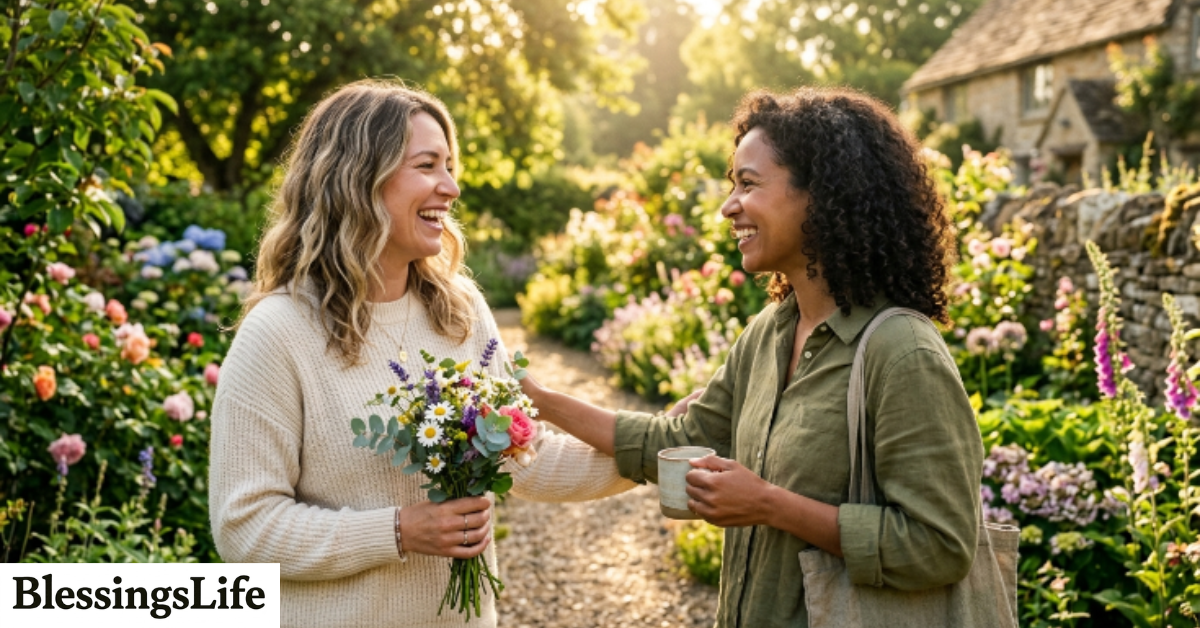
Have you ever had someone look you in the eye, smile, and say “have a blessed day” — and felt something shift inside you, even just a little?
It happened to me on a Tuesday morning, standing in line at a coffee shop, exhausted and running late. The cashier, an older woman with tired eyes of her own, handed me my coffee and said it like she meant it. “Have a blessed day, sweetheart.” I don’t remember what I ordered. I remember that sentence.
That’s the strange power of this small phrase. It costs nothing to say. It takes two seconds. And yet it can quietly rewire someone’s entire afternoon.
This article is for anyone who’s ever wondered why “have a blessed day” hits differently than “have a nice day,” where it comes from, how to use it without sounding rehearsed, and how to actually mean it when you say it.
Why “Have a Blessed Day” Means More Than It Seems
On the surface, it’s just four words. But underneath, it’s carrying something heavier — and warmer.
Saying “have a nice day” is polite. Saying “have a blessed day” is personal. It implies you’re wishing someone something bigger than convenience or good weather. You’re wishing them protection, peace, maybe even divine favor, depending on your beliefs.
Think about the difference between these two:
- “Have a nice day” — pleasant, forgettable, automatic
- “Have a blessed day” — warm, intentional, slightly spiritual
The second one lingers. It suggests the speaker actually stopped, for half a second, to think about your wellbeing. That’s rare in a world where most greetings are said on autopilot while someone’s already looking at their phone.
A Small Story: The Barista Who Changed My Morning
I want to go back to that coffee shop moment, because it taught me something.
I later learned that cashier says “have a blessed day” to every single customer, no exceptions. Rude ones, rushed ones, silent ones. Someone asked her once if she ever gets tired of saying it to people who don’t even look up.
Her answer stuck with me: “I’m not saying it for them. I’m saying it because I mean it for myself too.”
That reframed everything. Saying “have a blessed day” isn’t just a gift you hand someone else — it’s a small act of gratitude you’re practicing yourself. You’re reminding your own heart to hope for good things, even while wishing them for a stranger.
When Is the Right Time to Say “Have a Blessed Day”?
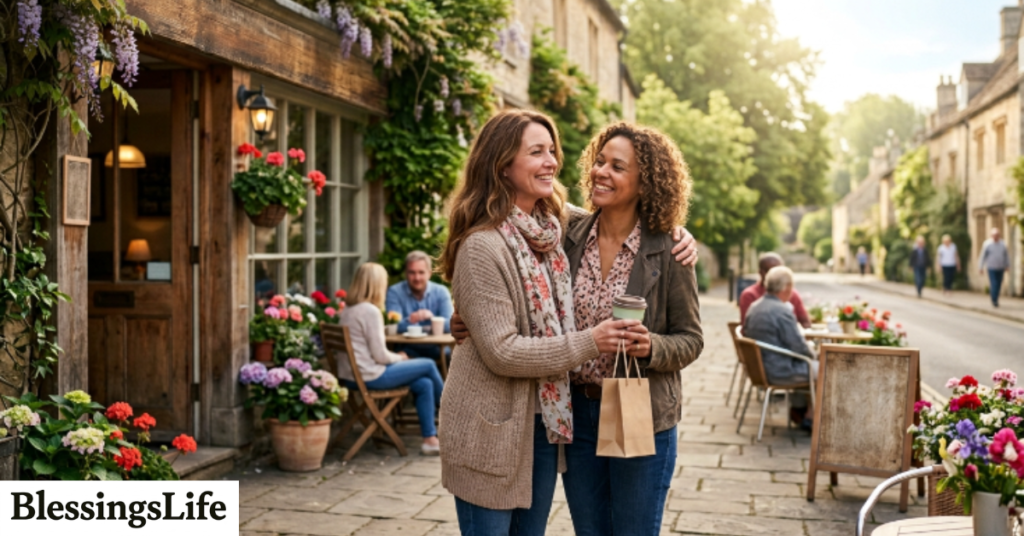
You don’t need a special occasion. But some moments make it feel especially natural.
1. Saying goodbye to someone you care about Whether it’s your mom on the phone or a friend leaving after coffee, ending with “have a blessed day” softens the goodbye.
2. Wrapping up a work email or customer service call It’s warmer than “best regards” and more human than “thanks for your business.”
3. Comforting someone going through a hard time Sometimes people don’t want advice. They just want to know someone’s rooting for them. “Have a blessed day” can quietly say that.
4. Sunday mornings, before church, or during prayer time For many people of faith, it’s practically a ritual — a way to send loved ones off with spiritual armor for the week ahead.
5. Random acts of kindness Holding a door, giving up your seat, letting someone merge in traffic — followed by “have a blessed day” — turns a small gesture into a memorable one.
Quotes & Examples Box: “Have a Blessed Day” Messages for Every Mood
Sometimes you know you want to say it, but the words feel stuck. Here are some ways to say “have a blessed day” that feel personal, not copy-pasted.
For family and loved ones:
- “Go out there and shine today. Have a blessed day, I love you.”
- “Whatever today brings, I hope it’s gentle with you. Have a truly blessed day.”
- “You’re carrying a lot right now. Have a blessed day — you deserve one.”
For friends:
- “Coffee’s on me next time. Until then, have a blessed day, friend.”
- “Sending good energy your way. Have a blessed day out there.”
For coworkers and clients:
- “Thanks again for your patience. Have a blessed and productive day.”
- “Looking forward to working together. Have a blessed rest of your week.”
For someone going through hardship:
- “You’re stronger than you know. Have a blessed day, and know you’re not alone.”
- “Praying things get lighter for you soon. Have a blessed day, truly.”
Short and simple versions:
- “Have a blessed day ahead.”
- “Have a blessed one.”
- “Blessed day to you and yours.”
Notice something? None of these sound like a greeting card. They sound like something you’d actually text a real person. That’s the goal — attach the phrase to something specific, and it stops sounding like a script.
The Psychology Behind Why Blessings Make Us Feel Good
There’s actual science behind why “have a blessed day” feels so different from a generic goodbye.
Researchers who study gratitude and prosocial behavior have found that both giving and receiving a kind wish activates similar reward pathways in the brain. In simple terms: when you bless someone, you’re not just being nice to them — you’re triggering a small mood boost in yourself too.
It’s a two-way gift. That’s probably why the phrase has survived for generations, passed down from grandmothers to grandchildren, from pastors to congregations, from strangers to strangers in checkout lines.
Consider this: how many times has a stranger’s kindness stayed with you longer than a planned, expensive gift? Often, it’s the unplanned warmth — the “have a blessed day” from someone who had no reason to say it — that we remember years later.
Creative Ways to Say “Have a Blessed Day” Without Sounding Repetitive
If you’re someone who says it often — maybe you work in customer service, ministry, or just love spreading kindness — here’s how to keep it fresh.
- Add a specific wish. Instead of just “have a blessed day,” try “have a blessed and peaceful day,” or “have a blessed day full of small wins.”
- Personalize it to their situation. If they mentioned an exam, a job interview, or a hard week, tie the blessing to that: “Have a blessed day — you’ve got that interview handled.”
- Use it as a closing line in writing. Texts, emails, cards, even social media captions can end with it naturally.
- Pair it with a gesture. A blessing said while making eye contact or offering a small kindness (holding a door, buying a coffee) hits twice as hard.
- Say it in your own voice. If you’re not naturally formal, don’t force formality. “Have a blessed one, seriously” can feel just as sincere as a longer version.
The goal isn’t to sound poetic. It’s to sound like you actually mean it.
“Have a Blessed Day” Across Cultures and Faiths
This phrase isn’t tied to one religion or one country, which is part of why it’s spread so widely.
- In Christian communities, it often echoes the idea of God’s grace and favor being present in someone’s day — a small, everyday prayer disguised as a greeting.
- In many Muslim communities, similar sentiments show up through phrases wishing someone barakah (blessing) or a peaceful, protected day.
- In the American South, “have a blessed day” is practically part of everyday vocabulary — said by cashiers, neighbors, and strangers alike, regardless of their specific faith.
- In secular or interfaith settings, people often use it simply to mean “I wish you well” — no theology required, just warmth.
That flexibility is part of its charm. You don’t need to share someone’s beliefs to receive their blessing sincerely.
What to Say Back When Someone Blesses You
This trips people up more than you’d think. Someone says “have a blessed day,” and you freeze, unsure how to respond.
Here are a few natural replies:
- “You too, thank you.”
- “Same to you — have a blessed one.”
- “Right back at you, truly.”
- “Thank you, I needed to hear that today.”
That last one, by the way, is more common than people realize. A lot of us are quietly having a harder day than we let on. Sometimes a stranger’s blessing arrives exactly when we need it, even if they had no idea.
Making “Have a Blessed Day” a Daily Habit
If this phrase resonates with you, you don’t need a special reason to start using it. Try weaving it into ordinary moments:
- Say it to the barista, cashier, or delivery driver instead of a generic “thanks.”
- End a tough phone call with it, even with someone you disagree with.
- Text it to a friend who’s had a rough week, with no other context needed.
- Write it at the bottom of a card or note, even a work-related one.
Small habits like this don’t cost anything, but they quietly shape the kind of person you become — someone who notices others, even in passing.
Final Thoughts
At the end of the day, “have a blessed day” isn’t really about the words themselves. It’s about the pause before them — the moment someone decides to care, even briefly, about a person they may never see again.
Maybe that’s exactly what makes it worth keeping alive. In a world full of rushed hellos and empty goodbyes, four sincere words can still make someone feel seen.
So the next time you’re saying goodbye to someone — a friend, a stranger, a coworker, or even yourself in the mirror — try meaning it when you say “have a blessed day.” You might be surprised how far it travels.
If this article gave you a phrase or two you’ll actually use, share it with someone who needs to hear it today. And if you have your own favorite way of saying “have a blessed day,” drop it in the comments — I’d love to add it to this list.
FAQs
What does “have a blessed day” really mean?
It’s a warm way of wishing someone protection, peace, and good fortune for the day ahead. It goes beyond a casual “have a nice day” by adding a spiritual or heartfelt layer to the wish.
Is “have a blessed day” religious?
It often has Christian roots, but people of many faiths — and even non-religious people — use it simply to express genuine goodwill toward someone.
How do you respond when someone says “have a blessed day”?
A simple “you too, thank you” or “same to you” works perfectly. You can also say something like “thank you, I needed that today” if it truly resonated with you.
Is it okay to say “have a blessed day” to someone of a different religion?
Yes, most people receive it as a kind, well-meaning gesture rather than a religious statement, regardless of their own beliefs. If you’re close to the person, you can also ask what greeting they’d prefer.
What’s a creative way to say “have a blessed day” without it sounding repetitive?
Add something specific, like “have a blessed and peaceful day” or tie it to their situation, such as “have a blessed day — that interview is going to go great.”
Why do people say “have a blessed day” instead of “have a good day”?
Because it feels more personal and sincere. It implies the speaker is genuinely wishing the other person wellness and peace, not just repeating a social script.