
I remember sitting in a hospital waiting room a few years back, holding a cup of coffee I never drank, when someone leaned over and quietly said, “Blessed are those who mourn, for they will be comforted.” At the time, it felt almost insulting. Blessed? I didn’t feel blessed. I felt hollowed out.
It took me years to understand what those words actually meant.
If you’re here because you’re grieving — a parent, a friend, a marriage, a version of yourself you lost along the way — I want you to know something before we go any further: your pain is not a sign that something is wrong with your faith or your strength. Blessed are those who mourn is not a poetic way of dismissing your sorrow. It’s a promise that sits right in the middle of it.
This article is going to walk through what this verse actually means, where it comes from, why it still matters today, and how it can genuinely help you (or someone you love) carry grief without being crushed by it.
Where Does “Blessed Are Those Who Mourn” Come From?
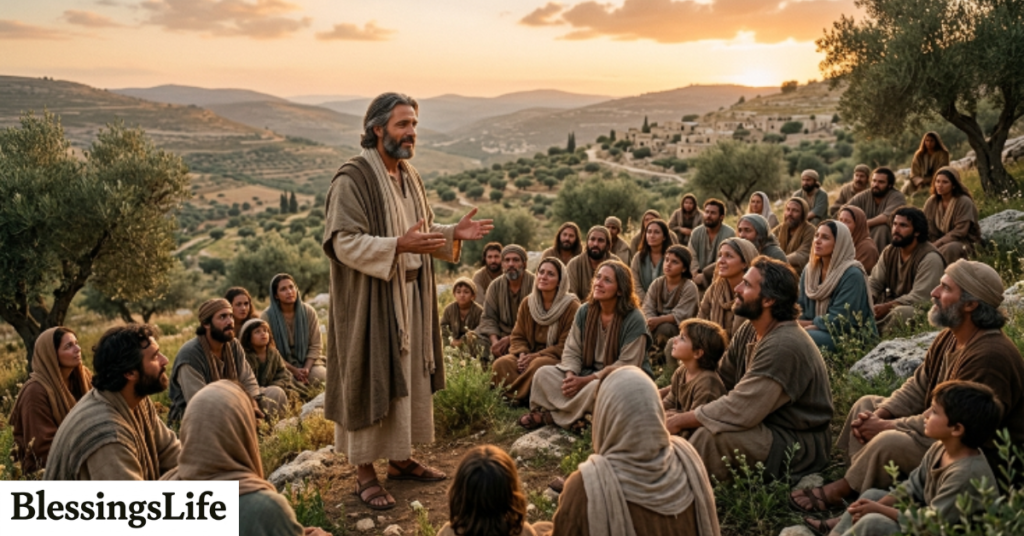
This phrase is one of the Beatitudes, found in the Gospel of Matthew, chapter 5, part of the Sermon on the Mount. Jesus is speaking to a crowd — ordinary people, tired people, people carrying real burdens — and he opens with a list of blessings that don’t sound like blessings at all.
Blessed are the poor in spirit. Blessed are those who mourn. Blessed are the meek.
None of these sound like winning. And that’s exactly the point.
In a culture (then and now) obsessed with strength, success, and looking like you have it all together, Jesus starts with the broken-hearted. Not despite their brokenness — because of it. There’s something almost rebellious about that.
A Quick Look at the Original Language
The Greek word used for “mourn” here is pentheo, which isn’t a mild sadness. It describes deep, visible grief — the kind that shows on your face, that changes how you move through a room. This wasn’t a throwaway comment about having a bad day.
Jesus was speaking directly to people who had buried loved ones, lost their homes, watched injustice up close. He knew exactly what kind of pain he was addressing.
What Does “Blessed Are Those Who Mourn” Actually Mean?
Here’s where a lot of people get stuck. Blessed doesn’t mean happy. It doesn’t mean lucky, either.
The word translates closer to “deeply honored” or “in a state of true well-being” — even when circumstances say otherwise. It’s an inner reality, not an outer performance.
So when this verse says blessed are those who mourn, it’s not asking you to fake a smile through tears. It’s saying something much gentler:
- Your grief is seen.
- Your grief is not wasted.
- Your grief will not have the final word.
Think about that for a second. How many times have you grieved quietly because you thought you were supposed to “move on” by now? This verse pushes back against that pressure entirely.
Comfort Is a Promise, Not a Guess
The second half of the verse — “for they will be comforted” — is doing a lot of heavy lifting. It’s not vague optimism. It’s a stated outcome.
In the original context, this comfort points to God’s own presence and, ultimately, restoration — a day when sorrow itself gets undone. But comfort also shows up in smaller, everyday ways: a friend who sits with you in silence, a memory that makes you laugh instead of cry, a slow return of appetite for life.
Blessed are those who mourn because mourning, in this framework, is never a dead end. It’s a doorway.
Real Grief, Real Stories
Let’s step out of theory for a moment.
Sarah’s story. After losing her mother to cancer, Sarah told me she felt guilty for crying at random moments — in the grocery store, during a commercial, in the car. “I thought grief was supposed to have a timeline,” she said. It wasn’t until a pastor reminded her of this verse that she gave herself permission to just… feel it. Blessed are those who mourn, he told her, not blessed are those who mourn quickly and quietly.
Daniel’s story. Daniel lost his job, his marriage, and his sense of identity all within eighteen months. He wasn’t mourning a death, but he was mourning a life he thought he’d have. He said the hardest part wasn’t the loss itself — it was feeling like he wasn’t allowed to grieve something that “wasn’t a real tragedy.” But grief doesn’t grade itself on a curve. Loss is loss.
A grandmother’s quiet grief. One woman I spoke with had lost her husband of 47 years. She said the house felt too big and too quiet. What helped her most wasn’t advice — it was people simply staying present. No fixing, no rushing. Just company. That’s comfort in its most human form.
Do these stories sound familiar? Maybe one of them is uncomfortably close to your own.
Quotes & Reflections on Mourning and Comfort
Sometimes short words carry more weight than long explanations. Here are a few that many people find grounding during grief:
“Blessed are those who mourn, for they will be comforted.” — Matthew 5:4
“Grief is the price we pay for love.” — Queen Elizabeth II
“There is a sacredness in tears.” — Washington Irving
“The pain of grief is just as much part of life as the joy of love; it is, perhaps, the price we pay for love, the cost of commitment.” — Colin Murray Parkes
“Weeping may endure for a night, but joy comes in the morning.” — Psalm 30:5
These aren’t meant to fix anything. They’re meant to sit beside you the way a good friend would — quiet, honest, and unhurried.
Why This Verse Still Matters Today
You might be wondering why a verse from thousands of years ago still gets quoted at funerals, written in sympathy cards, and searched online by people at 2 a.m. who can’t sleep.
Here’s why: grief hasn’t changed. Human hearts still break the same way they always have.
Blessed are those who mourn speaks to something we still desperately need to hear — that sorrow isn’t shameful, that tears aren’t weakness, and that comfort is actually coming, even when it doesn’t feel like it.
It Validates Grief Instead of Rushing It
Modern life often treats grief like an inconvenience. Take a few days off, then get back to normal. But real healing doesn’t work on a corporate schedule.
This verse gives permission to grieve fully, without a deadline.
It Reframes Mourning as Meaningful, Not Meaningless
There’s a difference between suffering that feels pointless and suffering that’s part of something bigger. Blessed are those who mourn suggests your pain isn’t random — it’s part of a process that leads somewhere.
It Points to Community, Not Isolation
Comfort rarely arrives alone. It usually comes through people — a phone call, a shared meal, someone who shows up without needing to be asked twice.
If you’re grieving right now, this might be your gentle nudge to let someone in.
How to Live Out “Blessed Are Those Who Mourn” Practically
Knowing the meaning is one thing. Living through it is another. Here are a few grounded, doable ways to hold onto this verse during hard seasons.
- Let yourself actually mourn. Don’t rush past the sadness to look strong for others.
- Say the loss out loud. Talk to a friend, a therapist, a journal — silence tends to make grief heavier.
- Accept comfort when it’s offered. A meal, a hug, a text — let it count, even if it feels small.
- Revisit the verse itself. Sometimes rereading it slowly, a few words at a time, brings something new.
- Be that comfort for someone else. Grief often teaches us how to show up for others going through it too.
None of these steps erase pain. But they make space for it to move, instead of getting stuck.
Blessed Are Those Who Mourn — In Everyday Language
If you stripped away all the theology for a second, here’s the simple heart of it:
You are allowed to be sad. You are not alone in it. And this isn’t the end of your story.
That’s really what blessed are those who mourn is saying, underneath everything else. It’s not a command to feel better quickly. It’s a quiet assurance that you’re being held even when you can’t feel it yet.
Isn’t that the kind of promise we all secretly hope is true?
Final Thoughts
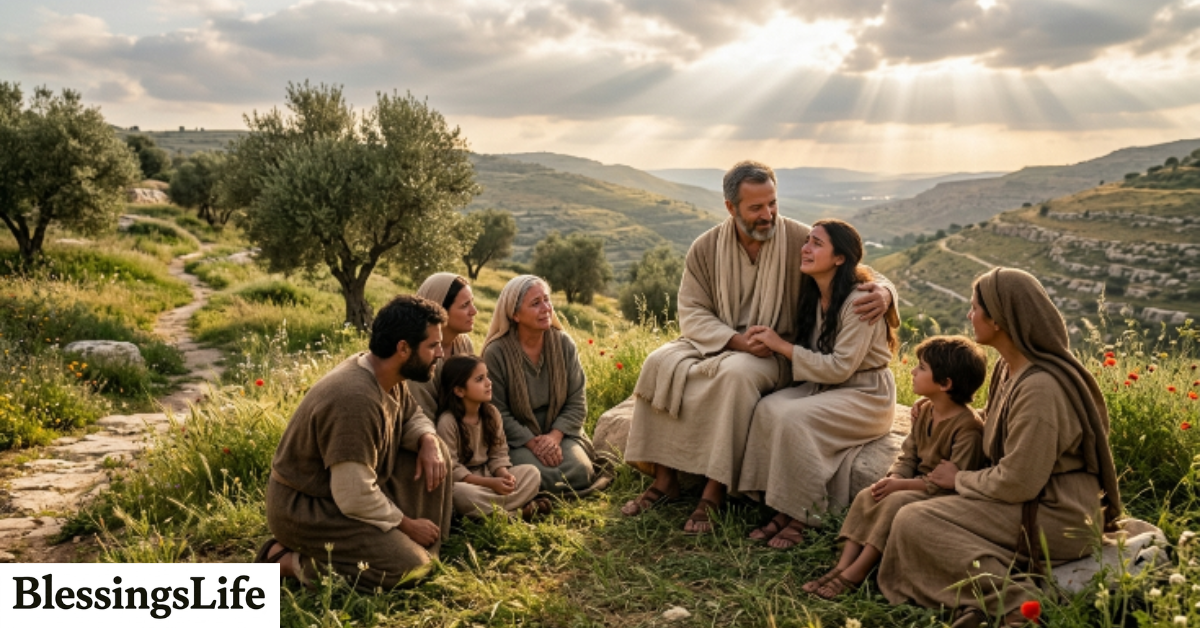
Grief has a way of making us feel like we’re the only ones in the room, even when it’s full of people. But blessed are those who mourn tells a different story — one where your sorrow is noticed, your tears matter, and comfort isn’t a maybe. It’s a promise.
Wherever you are in your grief today — early, raw, and overwhelming, or years later with a dull ache that shows up on anniversaries — you’re not doing it wrong. You’re doing it human.
If this article brought you some comfort, consider sharing it with someone who might need it today. And if you’ve walked through grief yourself, I’d love to hear what helped you hold on — feel free to drop your thoughts or story in the comments below.
FAQs
What does “blessed are those who mourn” actually mean?
It means that people who grieve deeply are not forgotten or weak — they’re promised genuine comfort. It’s less about feeling happy and more about being spiritually held during sorrow.
Where in the Bible is “blessed are those who mourn” found?
This verse comes from Matthew 5:4, part of the Beatitudes in Jesus’s Sermon on the Mount.
Why would mourning be considered a blessing?
Mourning shows love, honesty, and depth of feeling. The blessing isn’t the sadness itself — it’s the comfort and growth that follows it.
How can this verse help someone going through grief today?
It offers permission to grieve without guilt and reassurance that healing is coming. Many people find comfort simply knowing their pain is acknowledged, not judged.
Does “blessed are those who mourn” apply to non-death related losses?
Yes. It applies to any deep loss — a job, a relationship, health, or identity. Grief isn’t limited to death; it applies wherever something meaningful was lost.
How is comfort described in this verse fulfilled?
Comfort can come through God’s presence, supportive people, personal healing over time, and ultimately, the hope of future restoration. It often shows up gradually, not all at once.