
My grandmother used to say something that I didn’t understand until I was well into my thirties. Whenever two of us grandkids were fighting over the last slice of cake or who got to sit in the front seat, she’d sigh, shake her head, and mutter, “Blessed are the peacemakers.” At the time, I thought it was just something old people said to make you feel guilty.
It wasn’t until years later, sitting in a hospital waiting room after a family argument had gone too far, that those words finally landed. Blessed are the peacemakers isn’t a throwaway phrase. It’s one of the most quietly radical ideas ever spoken — and it might be exactly what your heart needs to hear right now.
If you’ve ever felt exhausted by conflict, tired of taking sides, or unsure how to bring calm into a chaotic relationship, this article is for you.
Where Does “Blessed Are the Peacemakers” Come From?
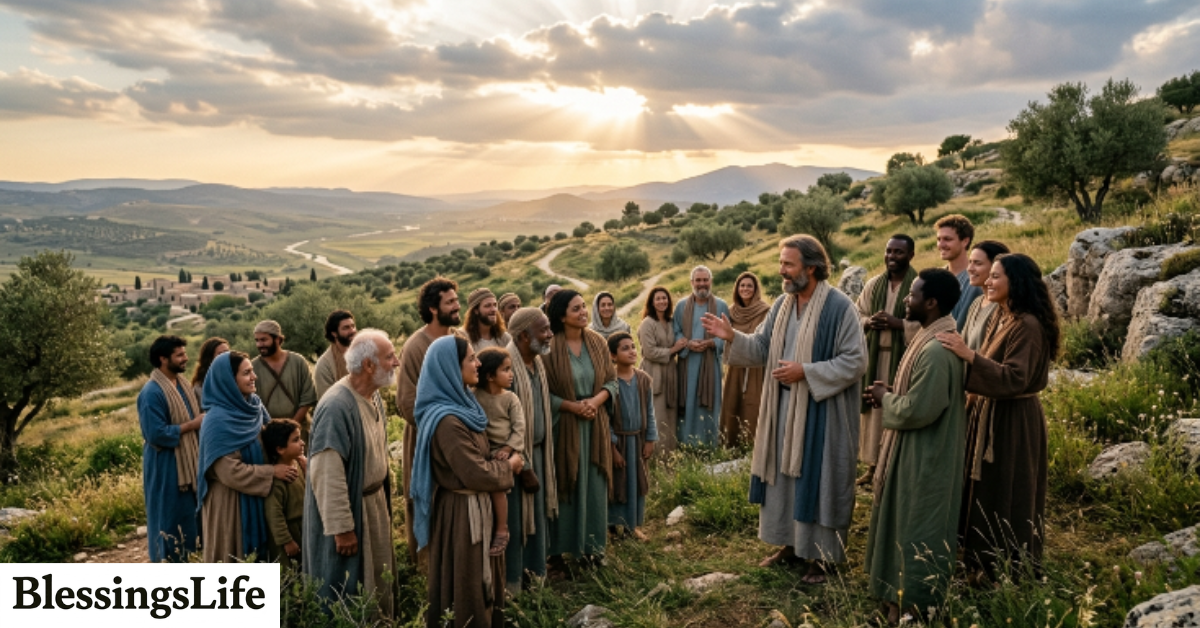
The phrase comes from the Sermon on the Mount, found in Matthew 5:9, part of a section known as the Beatitudes. Jesus stood on a hillside, looked at a crowd of tired, ordinary people, and told them something nobody expected.
He didn’t say blessed are the powerful. He didn’t say blessed are the loudest voice in the room. He said:
“Blessed are the peacemakers, for they shall be called children of God.”
Think about how strange that must have sounded. In a world obsessed with winning, Jesus was pointing to the ones who choose to build bridges instead.
A Line That Still Cuts Through Noise Today
Two thousand years later, we’re still fighting the same battles — just with new weapons. Social media arguments. Family feuds that stretch across decades. Political division that splits dinner tables in half.
And yet, blessed are the peacemakers hasn’t lost a single ounce of its power. If anything, it feels more urgent now than ever.
What Does “Peacemaker” Actually Mean?
Here’s where a lot of people get it wrong. Being a peacemaker doesn’t mean staying silent. It doesn’t mean avoiding conflict or letting people walk all over you just to “keep the peace.”
A true peacemaker is someone who actively works to repair what’s broken. That’s a completely different thing from being a peacekeeper.
Peacekeeper: avoids conflict, stays quiet, swallows their feelings to prevent tension.
Peacemaker: steps into the mess, listens to both sides, and works toward real healing — even if it’s uncomfortable.
Big difference, right? One is passive. The other takes courage.
Why This Distinction Matters So Much
I once worked with a woman named Farida who prided herself on “never causing drama.” She’d nod along in meetings even when she disagreed. She avoided hard conversations with her sister for over a decade.
She thought she was being a peacemaker. She wasn’t. She was just avoiding pain — and it was slowly poisoning her relationships from the inside.
Real peace, the kind blessed are the peacemakers talks about, requires you to show up, not shut up.
The Emotional Weight Behind the Blessing
There’s something deeply comforting about being told you’re blessed for doing hard, thankless work. Peacemaking is rarely glamorous. Nobody throws you a parade for calming down an argument between coworkers or gently confronting a friend who hurt you.
Most of the time, peacemakers get overlooked. Sometimes they even get blamed by both sides.
So why does this blessing matter so much?
Because it tells us that God — or the universe, or whatever you believe in — sees the quiet work. The late-night phone calls where you talked someone off the ledge. The apology you offered first, even though you weren’t wrong. The boundary you set with love instead of bitterness.
Blessed are the peacemakers is a promise that this invisible labor isn’t wasted.
Real-Life Stories of Peacemaking in Action
Let’s move away from theory for a second. Peacemaking looks different depending on where you find it.
The Sibling Who Broke the Silence
A friend of mine, Zara, hadn’t spoken to her brother in three years after a bitter inheritance dispute. Their mother was dying, and the family was splintering.
Zara made the first move. Not because she was wrong, but because she couldn’t stand watching her mother’s final days be filled with tension. She drove four hours, knocked on his door, and simply said, “I miss you.”
That one sentence rebuilt a bridge that anger had burned down.
The Coworker Who Refused to Take Sides
At my old job, there was a manager named David who never gossiped, even when everyone around him did. When two team members clashed, he’d sit them both down, separately at first, then together, and gently guide them toward understanding.
He wasn’t the loudest person in the office. But everyone trusted him. Everyone felt safer around him.
That’s what blessed are the peacemakers looks like in an ordinary Tuesday at work.
The Stranger Who De-escalated a Fight
Sometimes peacemaking happens between strangers. Maybe you’ve seen it yourself — someone stepping between two people arguing in a parking lot, speaking calmly, defusing tension before it turns into something worse.
It’s a small act. It’s also incredibly brave.
Quotes and Reflections on Peace
Sometimes words say what we can’t quite express ourselves. Here’s a small collection of thoughts that echo the spirit of blessed are the peacemakers.
- “Peace cannot be kept by force; it can only be achieved by understanding.” — Albert Einstein
- “An eye for an eye only ends up making the whole world blind.” — Mahatma Gandhi
- “The pursuit of peace and progress cannot end in a few years in either victory or defeat.” — John F. Kennedy
- “Peace is not the absence of conflict, but the presence of creative alternatives for responding to conflict.” — Dorothy Thompson
- “If you want to make peace with your enemy, you have to work with your enemy. Then he becomes your partner.” — Nelson Mandela
Each of these voices, from different backgrounds and eras, keeps circling back to the same truth. Peace isn’t passive. It’s built, brick by brick, by people willing to do the hard work.
Why Peacemaking Is So Hard for Most People
Let’s be honest for a second. Making peace is uncomfortable. It often means:
- Admitting you might be partly wrong
- Reaching out first, even when it’s not “your turn”
- Sitting with someone’s anger without matching it
- Letting go of the need to be right
- Risking rejection when you extend the olive branch
None of that feels good in the moment. Our instincts push us toward defending ourselves, not softening toward the person who hurt us.
That’s exactly why blessed are the peacemakers is framed as a blessing, not a suggestion. It takes something almost supernatural to choose peace when every fiber of your being wants to fight back.
The Cost of Avoiding Peace
Think about a relationship in your life right now that’s strained. Maybe it’s a parent, a sibling, an old friend. What has the silence cost you?
Missed holidays. Awkward group chats. A knot in your stomach every time their name comes up.
Conflict left unresolved doesn’t disappear. It just goes underground and quietly rots everything around it.
How to Become a Peacemaker in Everyday Life
You don’t need a pulpit or a peace treaty to live this out. Here’s how ordinary people practice blessed are the peacemakers in daily life.
1. Listen Before You Defend
Most arguments escalate because both people are waiting for their turn to talk, not actually listening. Try repeating back what the other person said before responding. It slows everything down.
2. Apologize First, Even If It’s Only 10% Your Fault
You don’t have to own the whole conflict. Owning your small piece often melts the other person’s defensiveness completely.
3. Set Boundaries Without Bitterness
Peacemaking isn’t about being a doormat. Sometimes the most peaceful thing you can do is calmly say, “I won’t discuss this topic anymore,” and mean it — without slamming the door.
4. Choose Your Battles Wisely
Not every disagreement needs to become a war. Ask yourself: will this matter in five years? Sometimes letting the small stuff go is the most peaceful choice available.
5. Pray or Reflect Before Responding
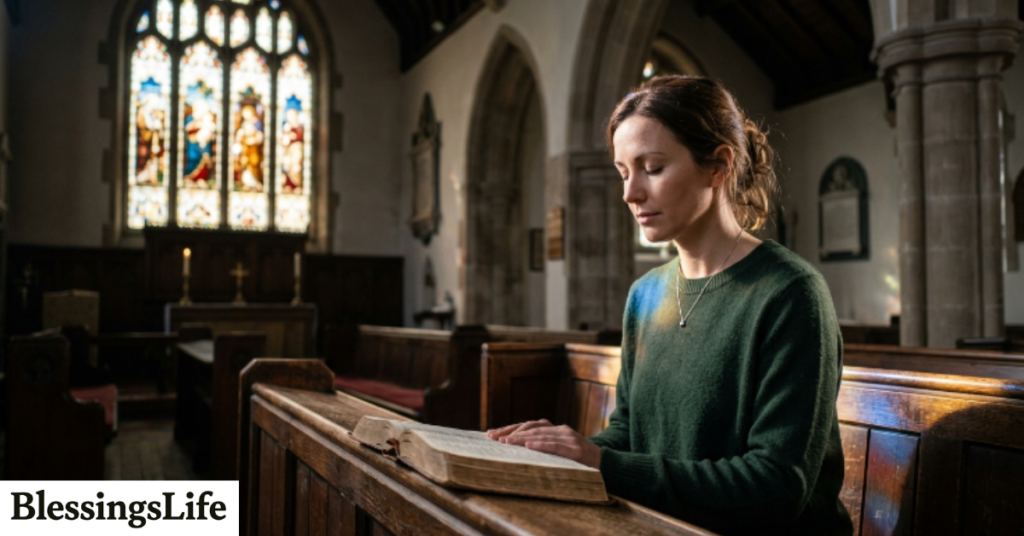
If you’re someone of faith, this is where blessed are the peacemakers becomes more than a nice idea — it becomes a practice. A quiet prayer before a hard conversation can completely change your tone.
Peacemaking in Families, Friendships, and Faith Communities
Peace doesn’t look the same in every space, but the heart behind it stays consistent.
In families: Peacemaking might mean being the one who organizes reunions even after old wounds, or gently redirecting a heated dinner-table debate.
In friendships: It might mean texting first after a fight, even though your pride is screaming not to.
In faith communities: It often means mediating disagreements between members, or simply modeling grace when others choose gossip.
Wherever you find yourself, the invitation is the same. Blessed are the peacemakers isn’t reserved for pastors, diplomats, or Nobel laureates. It’s for the tired mom mediating between her kids at 6 p.m. It’s for the friend who refuses to pick sides. It’s for you.
When Peacemaking Doesn’t Work Out
Here’s something nobody talks about enough. Sometimes you extend the olive branch, and it gets thrown back in your face.
You apologize, and they don’t accept it. You reach out, and they stay cold. You try to mediate, and both sides turn on you instead.
Does that mean you failed?
Not even close.
Blessed are the peacemakers doesn’t promise that peace will always be received. It promises that the act of trying, of choosing love over pride, is what matters. You can’t control how others respond. You can only control whether you showed up with an open hand instead of a closed fist.
That, in itself, is the blessing.
A Gentle Reminder for the Weary Peacemaker
If you’re the one in your family who always smooths things over, who always gets the late-night phone call when things fall apart, who feels like you’re constantly holding everyone else together — I want you to know something.
You’re not invisible. What you do matters more than you realize.
Blessed are the peacemakers wasn’t written for the people who never face conflict. It was written for people exactly like you, standing in the middle of the storm, choosing calm anyway.
Final Thoughts
We live in a world that rewards outrage. Shouting gets views. Division gets clicks. But somewhere underneath all that noise, there are still people quietly choosing peace — in their homes, their friendships, their workplaces, their own hearts.
If that’s you, keep going. If that’s not you yet, maybe today is the day you send that first text, make that first call, or simply choose not to respond to that one comment that’s begging for a fight.
Blessed are the peacemakers, for they shall be called children of God. Not the loudest. Not the most right. The ones who chose peace.
Who’s one person you could reach out to today? Maybe this is your sign to finally send that message. And if this article gave you something to think about, share it with someone who needs the reminder too.
FAQs
1. What does “Blessed are the peacemakers” mean? It means those who actively work to create peace and resolve conflict are considered spiritually blessed. It’s found in Matthew 5:9 and refers to people who bring reconciliation, not just those who avoid conflict.
2. Is being a peacemaker the same as being a peacekeeper? No. A peacekeeper avoids conflict to keep things comfortable, often staying silent. A peacemaker actively addresses problems and works toward genuine resolution, even when it’s uncomfortable.
3. Where in the Bible does it say “Blessed are the peacemakers”? This phrase appears in Matthew 5:9, part of the Beatitudes in the Sermon on the Mount, where Jesus outlines qualities that are spiritually blessed.
4. How can I become a better peacemaker in my daily life? Start small: listen more than you defend, apologize for your part first, set boundaries kindly, and choose which conflicts are actually worth engaging in. Consistency matters more than grand gestures.
5. What if my attempts at peacemaking are rejected? That’s okay. The value of peacemaking lies in the sincere effort, not the guaranteed outcome. You can’t control how others respond, only how genuinely you show up.
6. Why are peacemakers called “children of God”? This phrase suggests that peacemakers reflect God’s own character, since reconciliation and love are seen as divine qualities. Choosing peace over conflict mirrors that nature.