
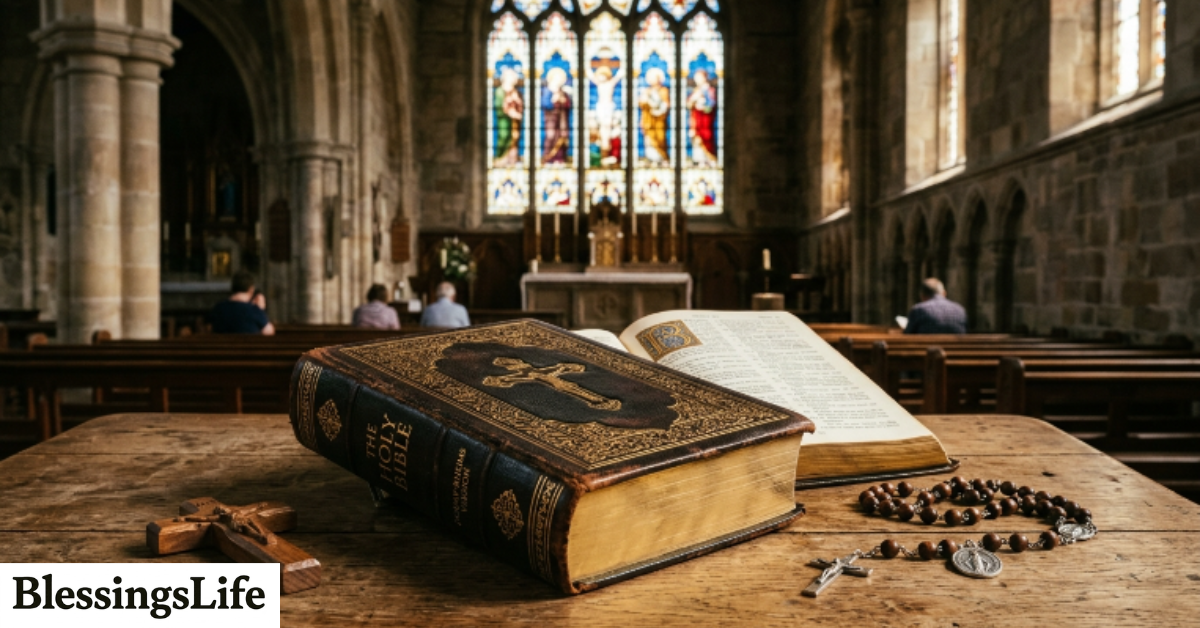
I still remember the first time I held my grandmother’s Catholic Bible. The leather cover was cracked, the pages soft from decades of thumbing through them, and little handwritten notes filled the margins next to her favorite verses.
That worn-out book taught me something no sermon ever could: the Catholic Bible isn’t just a religious text sitting on a shelf. It’s a living companion for people trying to make sense of life, faith, and everything in between.
If you’ve ever wondered what makes the Catholic Bible different from other versions, or why it holds such a special place in the hearts of over a billion Catholics worldwide, you’re in the right place.
We’re going to walk through it together — no confusing theology jargon, just honest answers to the questions people actually search for.
What Exactly Is the Catholic Bible?
At its core, the Catholic Bible is the sacred scripture recognized and used by the Catholic Church. It contains both the Old Testament and the New Testament, much like Protestant Bibles.
But here’s where it gets interesting.
The Catholic Bible includes seven additional books — often called the Deuterocanonical books — that aren’t found in most Protestant editions. These include Tobit, Judith, Wisdom, Sirach, Baruch, and 1 and 2 Maccabees.
Why does that matter? Because these books carry stories of courage, faith, and resilience that have shaped Catholic teaching for centuries.
Think of Judith standing up against an oppressive army, or the Maccabees fighting to protect their faith and their people. These aren’t just ancient tales — they’re reminders that ordinary people can do extraordinary things when they hold onto their beliefs.
A Quick Look at the History Behind the Catholic Bible
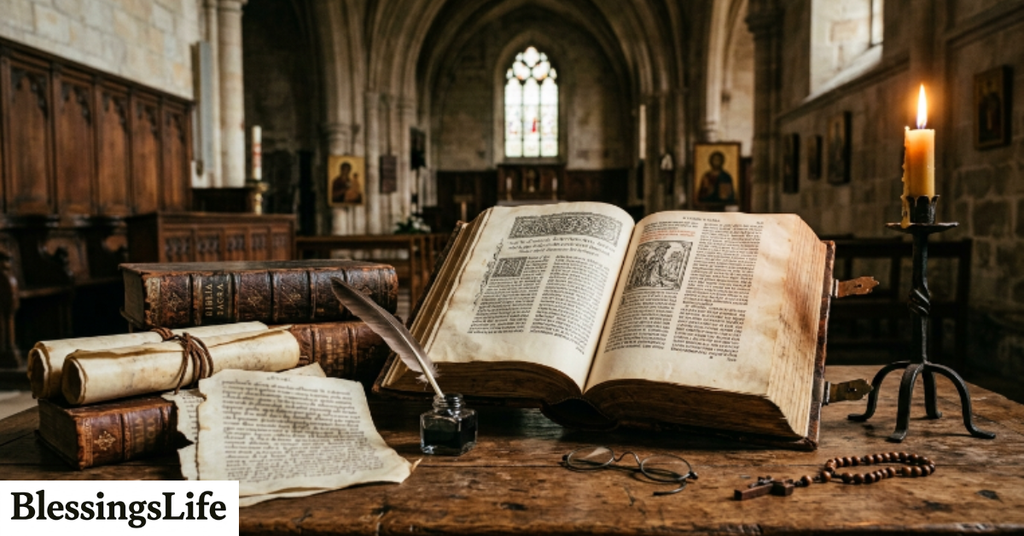
Understanding where the Catholic Bible came from makes it feel less like a mysterious old book and more like a story of real people trying to preserve something sacred.
Here’s a simplified timeline:
- 4th Century AD – Church councils began formally recognizing which books belonged in scripture.
- 382 AD – Pope Damasus I commissioned St. Jerome to translate the Bible into Latin, creating what became known as the Vulgate.
- Council of Trent (1546) – The Catholic Church officially confirmed the 73 books that make up the Catholic Bible we know today.
That last point is important. During the Reformation, when debates were raging over which books truly belonged in scripture, the Catholic Church held firm on including the Deuterocanonical books — a decision that still distinguishes the Catholic Bible today.
It’s a bit like a family recipe passed down for generations. Some ingredients might get questioned along the way, but the family insists on keeping them because they know what they add to the final dish.
How Many Books Are in the Catholic Bible?
This is one of the most searched questions, so let’s settle it clearly.
The Catholic Bible contains 73 books in total:
- 46 books in the Old Testament
- 27 books in the New Testament
Compare that to the Protestant Bible, which typically has 66 books — missing those seven Deuterocanonical texts we mentioned earlier.
Knowing this number isn’t just trivia. It often comes up in family discussions, Bible study groups, or even casual conversations when someone asks, “Wait, isn’t the Bible the same for everyone?” Now you’ll have a confident, accurate answer.
Why Do Catholics and Protestants Have Different Bibles?
This question trips up a lot of people, so let’s break it down simply.
The difference traces back to which ancient texts each tradition accepted as authoritative.
Catholics based their Old Testament on the Greek Septuagint, an early translation used by Jewish communities living outside Israel. This version included the Deuterocanonical books.
Protestant reformers, centuries later, leaned toward the shorter Hebrew canon, which excluded those extra books.
Neither side is trying to “trick” anyone — it’s simply a difference rooted in centuries-old scholarly and theological decisions. Understanding this history helps replace confusion with respect, especially in interfaith conversations.
The Heart of the Catholic Bible: More Than Just Words on a Page
Here’s something I’ve come to appreciate over the years: the Catholic Bible isn’t meant to be read like a textbook. It’s meant to be lived with.
Catholic tradition teaches that scripture works hand-in-hand with sacred tradition and the teaching authority of the Church. That’s why you’ll often hear priests reference both the Bible and Church teaching together during Mass.
It’s similar to how a letter from a loved one means so much more when you understand the context of their life. The Catholic Bible comes alive when it’s read alongside the traditions, prayers, and communal life of the Church.
A Few Verses That Capture the Catholic Bible’s Spirit
Here are some verses often cited by Catholics for comfort, guidance, and hope:
- Philippians 4:13 – “I can do all things through him who strengthens me.”
- Psalm 23:1 – “The Lord is my shepherd; I shall not want.”
- Wisdom 3:1 – “The souls of the righteous are in the hand of God, and no torment will ever touch them.”
- Tobit 12:8 – “Prayer with fasting is good, but better than both is almsgiving with righteousness.”
Notice that last one — from the Book of Tobit, one of those seven Deuterocanonical books unique to the Catholic Bible. It’s a small example of the wisdom found in those additional texts.
How Catholics Use the Bible in Daily Life
I’ve met people who read a passage from the Catholic Bible every morning with their coffee, and others who only open it during Mass readings. Both approaches are valid — there’s no single “right way” to connect with scripture.
Some common ways Catholics engage with the Bible include:
- Lectio Divina – A slow, meditative reading practice focused on listening for God’s voice in the text.
- Mass Readings – Following the Church’s three-year liturgical cycle of scripture readings.
- Bible Study Groups – Gathering with others to discuss and apply scripture to everyday struggles.
- Personal Prayer – Turning to specific passages during difficult seasons of life.
A friend of mine once told me she turned to the Book of Job during a particularly hard year after losing her job. She said reading about Job’s suffering — and eventual restoration — gave her permission to grieve while still holding onto hope.
That’s the quiet power of the Catholic Bible. It doesn’t just tell ancient stories; it mirrors our modern struggles.
Choosing the Right Catholic Bible Translation
If you’re new to reading the Catholic Bible, the number of translations available can feel overwhelming. Here are a few widely respected options:
- New American Bible (NAB) – Commonly used in U.S. Catholic parishes.
- Revised Standard Version, Catholic Edition (RSV-CE) – Popular for its literary quality and accuracy.
- Jerusalem Bible – Known for its poetic, readable language.
- Douay-Rheims – A traditional, older English translation still cherished by many.
If you’re just starting out, don’t overthink it. Pick a readable translation, start with the Gospels, and let the habit build naturally.
Common Misunderstandings About the Catholic Bible
Let’s clear up a few myths that tend to circulate:
- Myth: Catholics aren’t allowed to read the Bible on their own.
Not true. The Church actively encourages personal Bible reading alongside communal worship. - Myth: The Catholic Bible has “extra” books added later to support Church teachings.
In reality, those books were part of the earliest Christian scriptures and were formally affirmed, not newly invented, at the Council of Trent. - Myth: All Christian Bibles are identical.
As we’ve covered, the Catholic Bible’s 73 books differ from the 66-book Protestant canon.
Clearing up these misunderstandings helps foster better conversations between different Christian traditions — and a deeper appreciation for why the Catholic Bible looks the way it does.
Why This Matters More Than Ever Today
We live in a world full of noise — notifications, headlines, endless scrolling. Amid all that, many people are quietly searching for something steady to hold onto.
The Catholic Bible offers exactly that: a source of grounding wisdom that has survived centuries of change without losing its relevance.
Whether you’re rediscovering your faith, exploring Catholicism for the first time, or simply curious about religious history, the Catholic Bible has layers worth exploring — historically, spiritually, and personally.
Final Thoughts
My grandmother’s Bible still sits on my shelf. I don’t read it every day, but when I do, I feel connected to something bigger than myself — history, faith, and family, all wrapped into worn pages.
That’s really what the Catholic Bible offers anyone willing to open it: not just information, but connection.
So maybe today’s the day you pick it up, even just for ten minutes. Read a psalm. Sit with a story. See what it stirs in you.
And if this article helped you understand the Catholic Bible a little better, share it with someone who might be curious too — you never know whose spiritual journey you might spark.
FAQs
How many books are in the Catholic Bible?
The Catholic Bible contains 73 books total — 46 in the Old Testament and 27 in the New Testament.
What makes the Catholic Bible different from the Protestant Bible?
The Catholic Bible includes seven additional Deuterocanonical books not found in most Protestant Bibles, based on differences in which ancient texts each tradition accepted as scripture.
Can Catholics read the Bible on their own?
Yes. The Catholic Church strongly encourages personal Bible reading, alongside participation in Mass and community worship.
What is the best Catholic Bible translation for beginners?
The New American Bible (NAB) and the Jerusalem Bible are both beginner-friendly, widely respected translations.
Why does the Catholic Bible include the Book of Tobit and Maccabees?
These books were part of the early Christian canon based on the Greek Septuagint and were formally confirmed at the Council of Trent in 1546.
Is the Catholic Bible the same as the Vulgate?
Not exactly. The Vulgate was St. Jerome’s Latin translation from the 4th century, which heavily influenced the Catholic Bible but isn’t the same as modern English translations used today.